Signs of Improper Siding Overlap and Water Intrusion
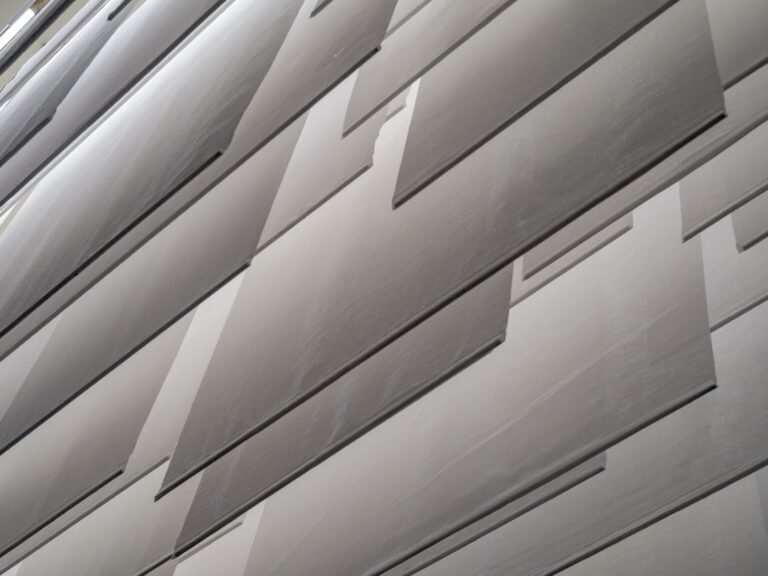
Every siding course should overlap the one below it by a manufacturer-specified minimum, typically around 1 inch, with each higher course lapping over the top of the one beneath — reversed or insufficient overlap is one of the most consequential installation errors because it works against gravity instead of with it, actively directing water into the wall rather than away from it.
See full siding repair and inspection services if you suspect an overlap issue.
Why This Is Especially Worth Checking After Any Addition or Remodel
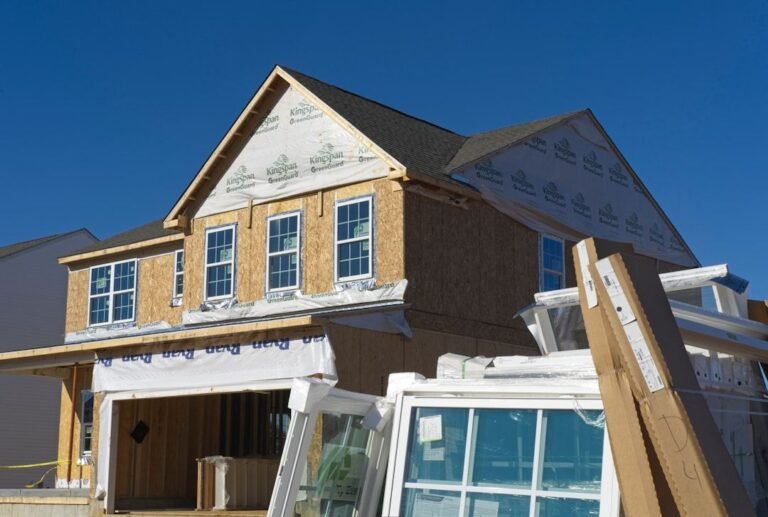
Any time new siding meets existing siding — a home addition, a bump-out, a repaired section after other work like new windows — that seam is where overlap direction errors most commonly occur, since it requires the installer to correctly read and match the existing wall’s overlap pattern rather than just following a straightforward top-to-bottom install on a blank wall. If you’ve had any addition or partial remodel done, that specific transition line deserves a closer look than the rest of the wall, even if the rest of the siding looks fine.
Insufficient Overlap vs. Reversed Overlap
These are different problems with different causes. Insufficient overlap (courses lapping less than the specified minimum) typically results from a measurement or layout error during installation and creates a smaller, but still real, gap for wind-driven rain to exploit. Reversed overlap is a more fundamental error, often occurring at transition points — where a repair meets original siding, or where an addition’s new siding meets the existing wall — and creates an active water-intrusion point rather than just a reduced margin of protection.
| Issue | Typical Cause | Severity |
|---|---|---|
| Overlap slightly under spec (e.g., 3/4″ instead of 1″) | Layout/measurement error | Moderate — reduced protection margin |
| Overlap significantly under spec | Rushed installation | High — meaningfully reduced protection |
| Reversed overlap direction | Repair/addition transition error | Highest — actively directs water inward |
Warning: Reversed overlap is most common exactly where a repair meets the original wall — if you’ve had any siding repair work done, that transition seam is worth a specific visual check. Look for a course that appears to sit “in front of” the course above it rather than tucked behind it; that’s the visual signature of reversed overlap.
Why Overlap Direction Is Non-Negotiable
Siding works like shingles on a roof: each course sheds water onto the course below it, which then sheds that water further down and eventually off the wall entirely. This only works if the overlap consistently goes one direction — higher courses over lower ones. If a section is installed with even one course reversed (lower course lapping over the higher one, which can happen during repairs or additions done by someone unfamiliar with the original installation direction), that section actively channels water into the seam rather than past it, regardless of how well every other part of the wall is installed.
How to Check This Yourself
Stand back from the wall and look at the seams between courses from a slight upward angle. Properly lapped siding shows a consistent shadow line where each course sits slightly in front of the one above it. A course that appears to sit behind, rather than in front of, the one above it at any point is worth flagging for a closer look.
DIY vs. Professional Contractor
| Situation | DIY Feasible | Call a Contractor |
|---|---|---|
| Visual check for consistent overlap direction | Yes | N/A |
| Confirming overlap distance meets spec | Difficult without close inspection | Recommended |
| Correcting reversed or insufficient overlap | No | Yes |
Common Questions
Why does siding overlap direction matter so much?
Each course should lap over the one below it, like roof shingles. A reversed lap — common where a repair meets original siding — actively channels water into the seam instead of past it, regardless of how well the rest of the wall is installed.
Get your free siding quote
Matched with an independent, licensed local contractor
No cost, no obligation to move forward
Most quote requests get a response within 1-2 business days
By submitting this form you consent to be contacted by phone, text, or email regarding your project, including by automated means. Consent is not a condition of purchase. Message and data rates may apply. See our Privacy Policy and Terms of Use.
Wilson Exteriors Pro is an independent local information and referral service. We are not a licensed contractor and do not perform siding or window installation ourselves. Project requests submitted through this site may be shared with an independent, licensed local contractor for a free estimate.