
James Hardie fiber cement siding installed in Wilson, NC runs $16,000–$24,000 for an average 1,800 sq ft home, roughly 60–80% more than vinyl, and it earns that premium through a 30–50 year lifespan — but only if every cut edge gets primed and sealed before installation, which is the step most often skipped on rushed jobs.
Compare fiber cement against vinyl and aluminum on the main siding page if you haven’t settled on a material yet. Cut-edge sealing and climate zone installation requirements referenced on this page follow James Hardie’s own published installation guidance, which specifies field-cut edge treatment by climate zone.
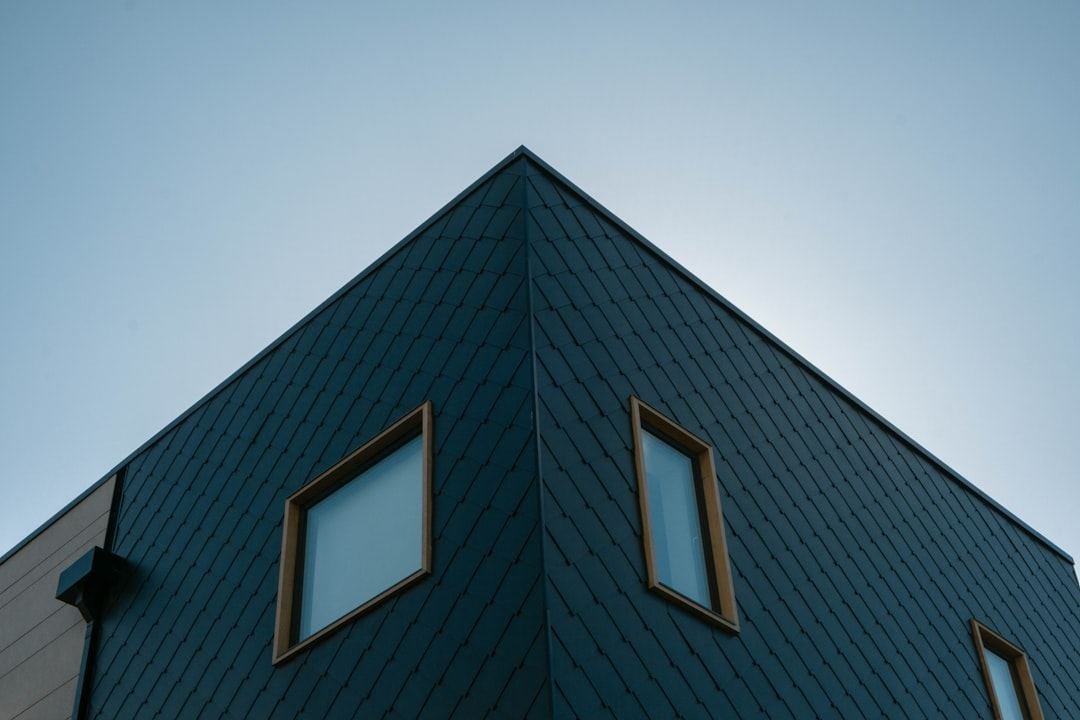
Photo by Dan Burton on Unsplash
Installation Requirements Specific to Humidity
| Requirement | Why It Matters Here |
|---|---|
| Prime all field-cut edges before install | Prevents moisture wicking into raw composite |
| Minimum 1/4″ clearance from grade/hardscape | Wilson’s summer thunderstorm splash-back saturates the bottom course otherwise |
| Caulked joints inspected annually | Humidity breaks down caulk faster than in drier climates |
| Repaint at 10–15 year mark, not “as needed” | Waiting for visible failure means moisture has already entered |
Warning: A fiber cement panel that feels soft or has a chalky, crumbling texture at a cut edge is not a surface cosmetic issue — it indicates moisture has already penetrated the composite. Left unaddressed 6–12 months, this typically spreads along the full cut edge and can compromise the panel’s structural attachment, requiring full panel replacement rather than edge repair.
When Not to Choose Fiber Cement
If the project budget doesn’t have room for proper edge-priming and a 10–15 year repaint cycle, fiber cement is a worse long-term choice than a well-installed vinyl job — an unmaintained fiber cement installation fails faster than unmaintained vinyl because vinyl doesn’t absorb water in the first place.
What Happens If Edge Damage Is Ignored
Six to twelve months of untreated moisture intrusion at a cut edge typically progresses from surface chalking to visible delamination (the panel layers separating), and eventually to the point where the panel no longer holds fasteners securely. At that stage the fix is panel replacement, not resealing.
When Fiber Cement Installation Fails
Fiber cement installed without a rain gap or with panels butted directly against trim (no expansion allowance) traps water at the joint. This is a common shortcut on lower-bid jobs because it looks cleaner initially — the failure shows up 2–4 years later as staining and soft spots at every trim intersection, not immediately, which is part of why it gets missed in the initial walkthrough.
Fastening Requirements Fiber Cement Doesn’t Share With Vinyl
Fiber cement is heavier and rigid rather than flexible, so it doesn’t tolerate the same loose-nailing approach vinyl requires. Manufacturer specs typically call for fasteners driven flush (not overdriven, which cracks the material) at specific stud spacing, with blind-nailing concealed under the overlapping course above wherever the design allows. A crew used to vinyl’s loose-nail technique who applies that same habit to fiber cement often underdrives fasteners, leaving panels loose enough to rattle in wind and eventually work themselves further out over a few seasons. Conversely, a crew unfamiliar with fiber cement’s rigidity can overdrive nails trying to seat them flush the way they would with vinyl, cracking the board at the fastener point — a crack that then becomes its own water entry path, on top of whatever the cut-edge issue causes.
Why the Cut-Edge Detail Matters in This Climate
Fiber cement ships factory-primed on the face and back, but not on cut edges — every piece that gets trimmed on-site to fit a corner, window, or door has a raw edge exposed to Wilson’s humidity. Untreated, that edge wicks moisture into the cement composite. Because fiber cement doesn’t dry out and shed water the way vinyl does, it stays swollen at that edge, and repeated wet-dry cycling through Wilson’s humid summers and 15–20 annual freeze-thaw cycles causes the edge to delaminate — you’ll see it as a soft, crumbling seam years before the rest of the panel shows any wear.
DIY vs. Professional Contractor
| Situation | DIY Feasible | Call a Contractor |
|---|---|---|
| Repainting at the 10-15 year mark | Possible with proper prep | Recommended for edge inspection |
| Any cut-edge softness or chalking | No | Yes, before it spreads |
| New installation | No — cut-edge priming requires trade experience | Yes |
Common Questions
Why does fiber cement siding need painted cut edges?
Fiber cement ships primed on the face and back but not on edges cut during installation. Unsealed cut edges wick moisture in Wilson’s humidity, causing the composite to swell and eventually delaminate at that seam.
You May Also Find Useful
Get your free siding quote
Matched with an independent, licensed local contractor
No cost, no obligation to move forward
Most quote requests get a response within 1-2 business days
By submitting this form you consent to be contacted by phone, text, or email regarding your project, including by automated means. Consent is not a condition of purchase. Message and data rates may apply. See our Privacy Policy and Terms of Use.
Wilson Exteriors Pro is an independent local information and referral service. We are not a licensed contractor and do not perform siding or window installation ourselves. Project requests submitted through this site may be shared with an independent, licensed local contractor for a free estimate.