What Wilson NC’s Freeze-Thaw Cycles Do to Old Siding
Wilson typically sees 15-20 freeze-thaw cycles each winter, and while any single cycle is a minor event for siding, the cumulative effect over 15-20+ years is where the real wear shows up. Each cycle is a small contraction-expansion event, and any existing micro-flaw in the material — a hairline crack, a slightly stressed seam, a spot where UV exposure has already begun making the material brittle — gets incrementally worse with every pass through the freezing point, rather than staying static. Historical freeze-thaw frequency for this specific area is tracked in NOAA’s climate normals data if you want the underlying numbers rather than a general estimate.
A Practical Way to Gauge Your Siding’s Current Condition
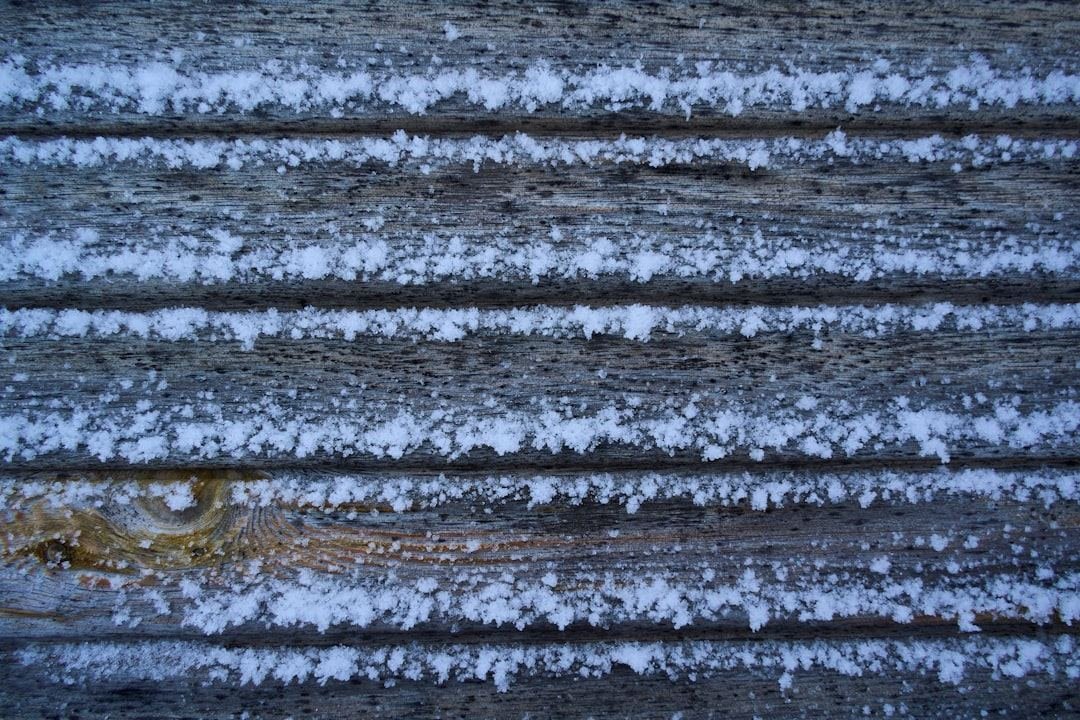
Photo by Wolfgang Hasselmann on Unsplash
Gently flex a small, inconspicuous section of siding (near a corner, low on the wall) with your hand on a mild-temperature day. Siding that flexes and returns to shape without any give or crackling sound is still reasonably supple. Siding that feels stiff, resists flexing at all, or produces any cracking sound under gentle pressure is showing the brittleness that comes with age and accumulated cycling, and it’s worth planning around rather than waiting for a visible crack to force the decision.
The Compounding Effect, Explained Simply
A brand-new panel with no existing flaws handles freeze-thaw cycling without visible consequence for many years. The risk builds as other aging processes — UV brittleness, minor impact damage never repaired, slight nailing imperfections — create small weak points over time. Once those weak points exist, freeze-thaw cycling becomes the mechanism that widens them, turning a hairline flaw invisible for years into a crack that suddenly seems to “appear” during one particular cold snap. The cold didn’t create the problem; it exposed a weakness that had been building for years.
Why Older Siding Shows This More Than Newer Siding
Siding installed 15+ years ago has simply accumulated more cycles and more UV exposure than siding installed five years ago, independent of the product’s overall quality. This is a straightforward function of time, not necessarily a sign the older siding was inferior — it’s the natural end of a normal aging curve that all vinyl siding eventually reaches, just faster on some walls (more sun exposure) than others.
| Siding Age | Typical Freeze-Thaw Cycles Endured | Expected Condition |
|---|---|---|
| 0-10 years | 150-200 cycles | Minimal visible effect if properly installed |
| 10-20 years | 200-400 cycles | Beginning brittleness, possible minor cracking on sun-exposed walls |
| 20-30 years | 400-600 cycles | Approaching end of expected lifespan; cracking more likely |
Warning: If your siding is approaching or past the 20-year mark and you’re seeing your first winter cracks, that’s a reasonable signal the material is nearing the end of its useful life on that wall, not necessarily a sign of a new, separate problem. Repairing individual cracks on siding this old sometimes becomes a recurring, escalating task rather than a one-time fix, which is worth factoring into whether repair or planned replacement makes more sense going forward.
Why Replacement Timing Deserves Real Planning, Not a Reactive Decision
Siding nearing the end of its lifespan doesn’t fail all at once — it shows isolated problems first, then more frequent ones over a few years. Recognizing that pattern early, rather than treating each crack as isolated, lets you plan replacement on your own timeline instead of being forced into an urgent decision later.
DIY vs. Professional Contractor
| Situation | DIY Feasible | Call a Contractor |
|---|---|---|
| Checking siding flexibility as an age indicator | Yes | N/A |
| Recurring cracks on siding 20+ years old | No | Yes, discuss repair vs. replacement |
| Full replacement planning | No | Yes |
Common Questions
How many freeze-thaw cycles does Wilson siding typically endure per winter?
15-20 cycles per winter. Any single cycle is minor, but the cumulative effect over 15-20+ years is what gradually widens existing micro-flaws into visible cracks.
Get your free siding quote
Matched with an independent, licensed local contractor
No cost, no obligation to move forward
Most quote requests get a response within 1-2 business days
By submitting this form you consent to be contacted by phone, text, or email regarding your project, including by automated means. Consent is not a condition of purchase. Message and data rates may apply. See our Privacy Policy and Terms of Use.
Wilson Exteriors Pro is an independent local information and referral service. We are not a licensed contractor and do not perform siding or window installation ourselves. Project requests submitted through this site may be shared with an independent, licensed local contractor for a free estimate.