Siding Ventilation Mistakes That Cause Attic Moisture Problems
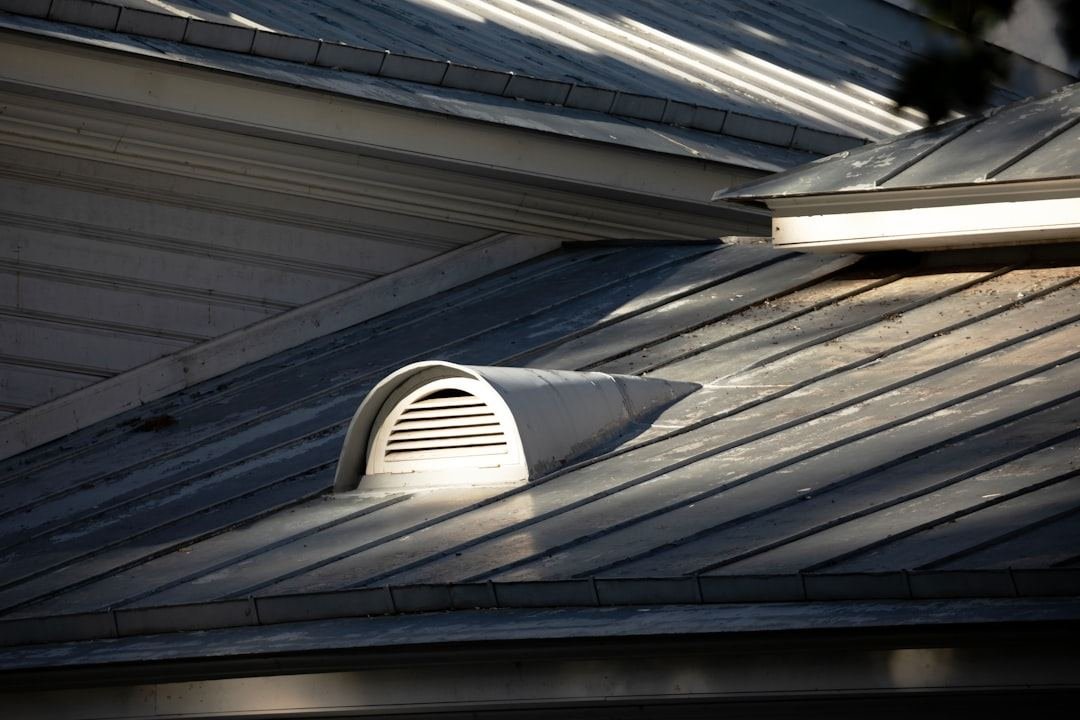
Attic moisture problems often get blamed on roofing when the actual cause is a blocked or improperly installed soffit vent, the intake point where fresh air enters the attic system before exhausting through a ridge or gable vent. Siding installation and soffit work happen closely together, and it’s a common oversight for siding installers to inadvertently block soffit vents with insulation, debris, or an improperly fitted panel during an otherwise unrelated siding job.
See full siding services if a recent siding project may have affected your soffit ventilation.
Photo by Belov Sergey on Unsplash
Why This Deserves Attention Even Without Obvious Symptoms
Attic moisture damage can progress for a full season or more before symptoms become obvious. If you’ve had siding or soffit work done recently and haven’t checked the attic since, a five-minute flashlight inspection is a low-effort way to rule out a problem that gets more expensive the longer it spreads.
Why Soffit Vents Get Blocked During Siding Work
Soffit panels sit at the underside of your roof overhang and are often replaced or worked around during a full siding project, since they’re part of the same exterior renovation scope. A crew focused on the visible wall siding can install new soffit material with the vent perforations misaligned, painted over, or partially covered by insulation pushed too far forward in the attic — none of which are visible from the ground, and none of which show symptoms immediately.
What Fixing This Typically Involves
If insulation is blocking vents from inside, baffles (rigid channels that hold insulation back from the vent opening while still allowing airflow) are a relatively simple, inexpensive fix. If the soffit material itself was installed without adequate venting, that requires correcting the soffit installation, which is a more involved repair tied back to whoever did the original exterior work.
Checking Your Own Soffit Vents
From inside the attic, on a bright day, look for daylight visible through the soffit vent openings from below. If you can’t see any daylight at the vent locations, insulation or debris is likely blocking the intake path. From outside, visually confirm the soffit vent perforations aren’t painted over or covered by trim added during a siding project — this is worth checking specifically if you’ve had recent exterior work done and haven’t inspected the attic since.
How Blocked Ventilation Actually Causes Moisture Problems
Attics need continuous airflow — cool, dry air entering low through soffit vents and warm, moist air exiting high through ridge or gable vents — to prevent humid indoor air that migrates upward from condensing on the cold underside of the roof deck in cooler months, and to prevent excessive heat buildup that stresses shingles in summer. Block the intake side, and this whole system stalls: moisture that would normally exhaust instead condenses inside the attic, sometimes leading to damp insulation, wood rot on roof sheathing, or mold on the underside of the roof deck.
| Symptom | Likely Cause |
|---|---|
| Visible frost or condensation on attic roof sheathing in winter | Blocked or insufficient intake ventilation |
| Musty attic smell | Trapped moisture, often from blocked soffit vents |
| Unusually hot attic in summer despite normal roof vents | Intake airflow insufficient to support the exhaust system |
| Ice damming at roof edges (in rare Wilson cold snaps) | Attic heat escaping unevenly, sometimes ventilation-related |
DIY vs. Professional Contractor
| Situation | DIY Feasible | Call a Contractor |
|---|---|---|
| Checking for daylight at soffit vents from the attic | Yes | N/A |
| Installing baffles to clear insulation blockage | Often yes | Optional |
| Correcting improperly installed soffit venting | No | Yes |
Common Questions
How does siding work relate to attic moisture problems?
Siding crews sometimes inadvertently block soffit vents during exterior work — with insulation, debris, or a misaligned panel. Blocked intake ventilation stalls the whole attic airflow system, leading to condensation and rot on the roof deck.
Get your free siding quote
Matched with an independent, licensed local contractor
No cost, no obligation to move forward
Most quote requests get a response within 1-2 business days
By submitting this form you consent to be contacted by phone, text, or email regarding your project, including by automated means. Consent is not a condition of purchase. Message and data rates may apply. See our Privacy Policy and Terms of Use.
Wilson Exteriors Pro is an independent local information and referral service. We are not a licensed contractor and do not perform siding or window installation ourselves. Project requests submitted through this site may be shared with an independent, licensed local contractor for a free estimate.