How Tinted Glass Affects Heat Gain in Wilson NC Summers
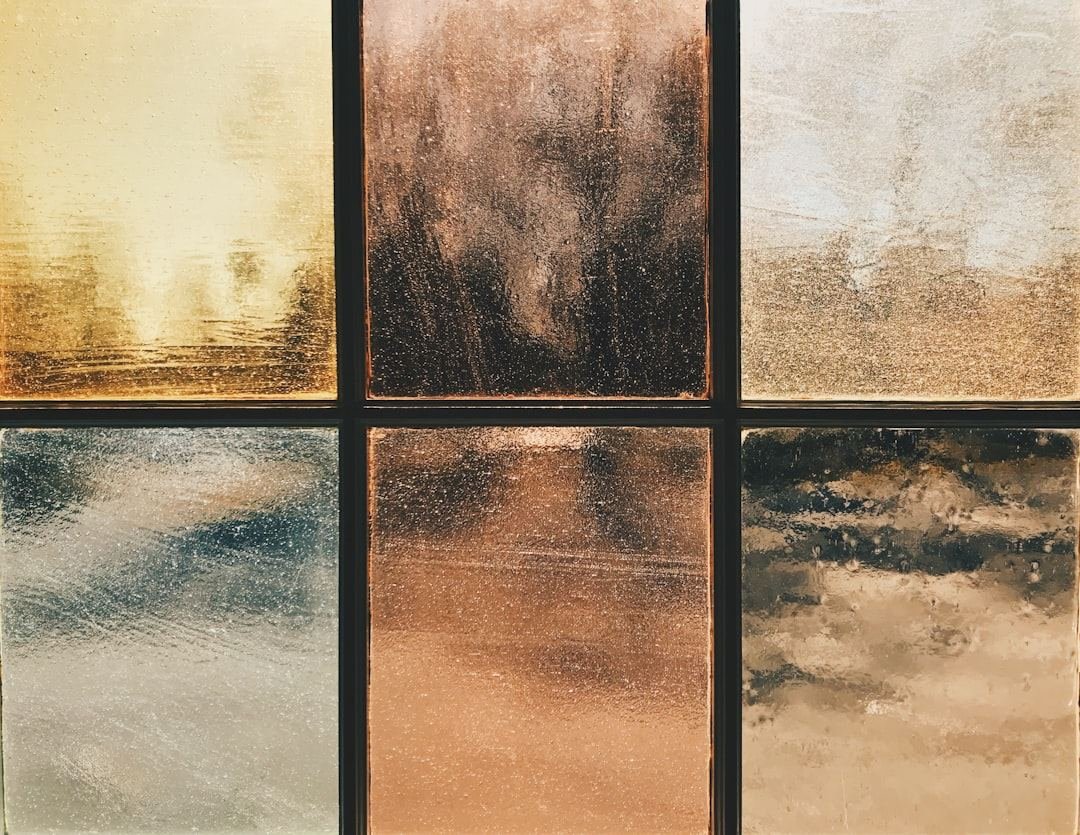
Tinted glass reduces heat gain by absorbing solar radiation within the glass itself rather than transmitting it through, which does lower the amount of heat entering a room — but it’s a fundamentally different mechanism than Low-E coatings, which reflect solar radiation rather than absorbing it, and the difference matters for how each performs in Wilson’s specific climate.
- Getting the Balance Right for Your Situation
- A Note on Reflective Tints and Historic Districts
- Why Tinted Glass Alone Isn’t the Best Single Choice Here
- What This Means Practically for a Wilson Home
- The Absorb-vs-Reflect Distinction, and Why It Matters
- One More Factor: How Tint Affects Interior Plant and Furniture Health
- DIY vs. Professional Contractor
Getting the Balance Right for Your Situation
For most Wilson homes, a well-chosen Low-E coating tuned for solar heat rejection handles the bulk of the cooling-cost problem without meaningfully darkening interior views, making it the more broadly useful default. Tinting is worth adding selectively where glare, not just heat, is a specific daily annoyance.
A Note on Reflective Tints and Historic Districts
Reflective or heavily mirrored tinted glass is sometimes restricted in historic district guidelines, since it wasn’t historically available and changes a home’s exterior appearance more noticeably than a subtle tint or coating would. If your home is in a historic district and you’re considering tinted glass for heat control, confirm this specifically with the Historic Preservation Commission before ordering, separate from the general frame material and grid pattern approval.
Why Tinted Glass Alone Isn’t the Best Single Choice Here
For a climate like Wilson’s, where cooling cost reduction is usually the primary goal, Low-E glass generally delivers more heat-gain reduction per unit of light sacrificed than tinting alone. Tinted glass remains a reasonable secondary consideration for specific rooms with intense glare issues (a west-facing home office, for instance) where reducing direct light matters as much as reducing heat, but it’s not typically the most efficient primary strategy for whole-house heat gain control.
Warning: Don’t assume tinted glass and Low-E glass are interchangeable or redundant — some window packages combine both, which can result in a noticeably dark interior that some homeowners find they don’t actually want once installed. If glare specifically bothers you in a particular room, request to see a physical sample of the combined tint-and-Low-E option before committing, since the visual effect is harder to judge from a spec sheet than from seeing actual glass.
What This Means Practically for a Wilson Home
| Approach | Heat Gain Reduction | Visible Light Impact | Best Suited For |
|---|---|---|---|
| Tinted glass | Moderate | Noticeably darker interior view | Glare reduction priority, some heat benefit |
| Low-E coating (heat-gain-optimized) | Higher | Minimal visible darkening | Primary heat/cooling cost priority |
| Combination of both | Highest | Darker interior view | Maximum heat control, willing to trade some light |
The Absorb-vs-Reflect Distinction, and Why It Matters
Tinted glass works by absorbing a portion of solar energy into the glass, which then re-radiates some of that absorbed heat into the room as the glass itself warms up — it’s genuinely reducing directly transmitted light and glare, but a meaningful share of the blocked solar energy still ends up as heat near the window, just delayed and re-radiated rather than directly transmitted. Low-E coatings instead reflect solar heat before it’s absorbed at all, generally delivering better overall heat gain reduction for the same amount of visible light reduction.
One More Factor: How Tint Affects Interior Plant and Furniture Health
Beyond glare and heat, tinted glass can reduce light for interior plants near a window, worth considering for a plant-heavy sunroom. It’s a minor factor relative to the main tradeoffs, but occasionally the deciding one.
DIY vs. Professional Contractor
| Situation | DIY Feasible | Call a Contractor |
|---|---|---|
| Deciding between tint and Low-E options | Yes, with samples | N/A |
| Confirming historic district tint restrictions | Verify with Commission | Recommended |
| Installation | No | Yes |
Common Questions
Does tinted glass reduce heat gain as well as Low-E coatings?
Not quite — tinted glass absorbs solar energy and re-radiates some of it as heat, while Low-E reflects it before absorption. For Wilson’s cooling-dominated climate, Low-E generally delivers more heat reduction per unit of light sacrificed.
Get your free window quote
Matched with an independent, licensed local contractor
No cost, no obligation to move forward
Most quote requests get a response within 1-2 business days
By submitting this form you consent to be contacted by phone, text, or email regarding your project, including by automated means. Consent is not a condition of purchase. Message and data rates may apply. See our Privacy Policy and Terms of Use.
Wilson Exteriors Pro is an independent local information and referral service. We are not a licensed contractor and do not perform siding or window installation ourselves. Project requests submitted through this site may be shared with an independent, licensed local contractor for a free estimate.