
Homes in Wilson’s historic districts typically can’t switch to vinyl on street-facing elevations — most preservation guidelines require matching the original wood clapboard profile, which changes both your material options and your cost. Expect $18–$28 per linear foot for wood-matched repair versus $8–$12 for standard vinyl repair elsewhere in the city.
See standard siding services and pricing if your home isn’t in a designated historic district — the rules below don’t apply outside those boundaries.
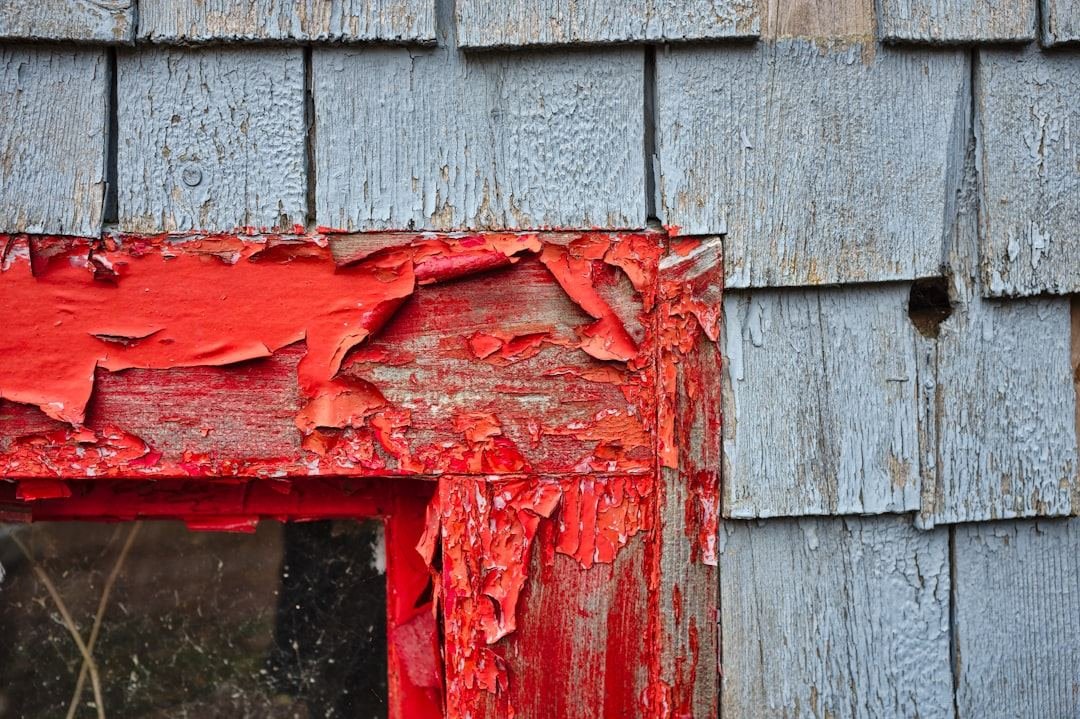
Photo by Eric Prouzet on Unsplash
Sourcing Matched Material — The Bottleneck Nobody Warns You About
Old-growth wood clapboard in matching width and reveal often isn’t available at standard lumber suppliers, which is why historic repair timelines frequently run longer than the work itself would suggest. Salvage yards, specialty millwork shops that custom-mill to match a sample board, and reclaimed-lumber suppliers are the three realistic sources — each with different lead times, typically 2-6 weeks for custom milling. Get this sourcing question answered before committing to a start date; a contractor who hasn’t identified a material source yet is guessing at your timeline, not planning it.
What Happens If You Wait
Rot in original wood siding left 6-12 months typically spreads to adjacent boards and into the sheathing behind it. On a historic structure, that turns a $500-$1,000 board replacement into a full wall-section rebuild requiring Commission approval and matched material sourcing — both of which add months to the timeline, not just dollars.
When Standard Repair Methods Fail
Standard “patch the bad board” repair fails when rot has traveled behind adjacent boards through nail holes or seam gaps — pulling one board often reveals two or three more compromised behind it. On pre-1950s Wilson homes this is common enough that a single visible bad board should trigger inspection of the full wall section, not just that one spot.
Permits and Historic Approval
[VERIFY current requirements with the City of Wilson Historic Preservation Commission before ordering material] — most historic districts require a Certificate of Appropriateness before any exterior material change, separate from the standard building permit.
Why This Costs More Than Standard Repair
Matching existing wood clapboard means sourcing or milling a profile that matches board width, reveal, and butt-joint style already on the house — not grabbing stock lumber. On homes built before the 1950s, that original wood is often old-growth, tighter-grained than anything sold today, which is part of why a patch job stands out unless the installer sources comparable material or fully replaces a run rather than a single board. This approach follows the general repair philosophy in the Secretary of the Interior’s Standards for Rehabilitation, the framework most local historic guidelines, including Wilson’s, are built on: repair over replacement wherever the original material can be saved.
Wilson’s Climate Compounds the Problem
The same humidity and freeze-thaw cycling that stresses vinyl and fiber cement is harder on original wood siding that’s had 60-100+ years to accumulate small failures — prior paint layers trapping moisture, nail holes from decades of repairs, sun-checked grain on south-facing walls. A board that looks intact can be structurally compromised by rot that started from the inside.
| Repair Type | Cost | Historic Compliance |
|---|---|---|
| Spot wood board replacement (matched profile) | $18–$28/linear ft | Compliant |
| Vinyl siding on street-facing wall | N/A | Typically not permitted |
| Full wood re-side, historic-matched | $22,000–$35,000 (1,800 sq ft) | Compliant |
| Vinyl on rear/non-visible elevations only | $9,500–$14,000 | Often permitted case-by-case |
Warning: Installing vinyl or non-matching material on a street-facing wall without approval from Wilson’s Historic Preservation Commission can require you to remove and redo the work at your own cost, on top of possible fines. Get written approval before any material change on a designated historic structure — not just before installation, before ordering material.
DIY vs. Professional Contractor
| Situation | DIY Feasible | Call a Contractor |
|---|---|---|
| Repainting existing sound wood siding | Yes | Optional |
| Any board replacement on a historic structure | No | Yes — matching and compliance both required |
| Rear elevation, non-visible from street | Sometimes | Recommended for match quality |
Common Questions
Can I install vinyl siding on a historic home in Wilson, NC?
Typically not on street-facing elevations. Most historic district guidelines require matching the original wood clapboard profile on visible walls; vinyl is sometimes permitted on rear or non-visible elevations case-by-case.
You May Also Find Useful
Get your free siding quote
Matched with an independent, licensed local contractor
No cost, no obligation to move forward
Most quote requests get a response within 1-2 business days
By submitting this form you consent to be contacted by phone, text, or email regarding your project, including by automated means. Consent is not a condition of purchase. Message and data rates may apply. See our Privacy Policy and Terms of Use.
Wilson Exteriors Pro is an independent local information and referral service. We are not a licensed contractor and do not perform siding or window installation ourselves. Project requests submitted through this site may be shared with an independent, licensed local contractor for a free estimate.