
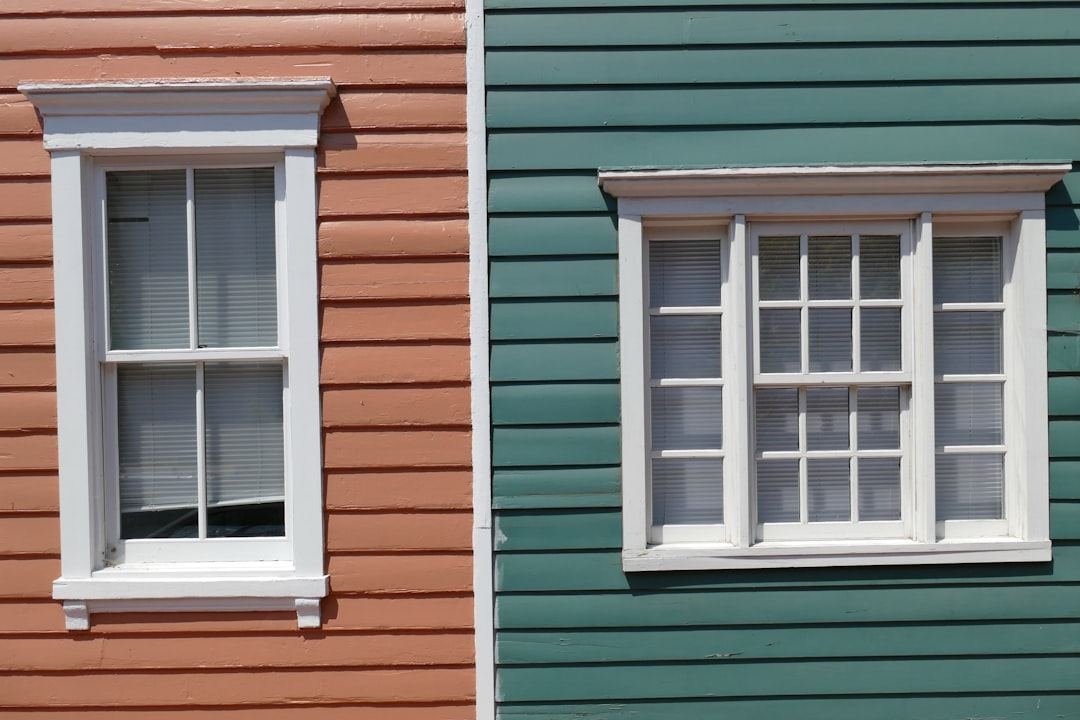
Homes in Wilson’s designated historic districts typically require wood or wood-clad frames on street-facing elevations, with matching grid pattern and glass configuration to the original — vinyl is often restricted regardless of energy performance, and compliant wood replacement runs $900–$1,600 per window versus $450–$900 for standard vinyl elsewhere in the city.
See standard window replacement pricing if your home isn’t in a historic district. Wilson’s guidelines, like most local historic districts, are built on the Secretary of the Interior’s Standards for Rehabilitation — the same federal framework referenced on the historic siding repair page.
Photo by Eleonora Patricola on Unsplash
Timeline Impact of the Approval Process
Commission review adds real time to a project — typically several weeks between application submission and approval, longer if the application is incomplete or requires revision. Factor this into any timeline before committing to a moving date, holiday deadline, or sale closing that assumes windows will be done by a specific date; contractors experienced with historic district work usually build this lag into their scheduling by default, which is one reason their quoted start dates run later than a standard job. Ask any contractor bidding historic work how many Commission applications they’ve actually filed in Wilson specifically — general renovation experience doesn’t guarantee familiarity with this particular approval process.
When Standard Approaches Fail
Assuming any wood-look vinyl or composite will satisfy historic requirements is the most common costly mistake — “wood-look” products vary widely in how convincingly they replicate true divided-light grid patterns, and commissions frequently reject composites that don’t match closely enough.
Why Wood Requires More Maintenance in This Climate
Wilson’s humidity keeps painted wood sills at elevated moisture content for weeks at a stretch during summer, which is exactly the condition rot fungus needs to establish. A wood-clad option (wood interior, low-maintenance exterior cladding) often satisfies compliance while reducing exterior maintenance burden, worth asking your preservation commission whether it qualifies before assuming solid wood is the only path.
What Happens If You Skip Approval
Unapproved replacement discovered later typically requires removal and reinstallation of compliant units at the homeowner’s full expense, on top of the original installation cost already paid — effectively paying for the window twice.
Why the Rules Exist and What They Actually Require
Historic preservation guidelines protect the visual character of a district as a whole, not just individual homes, which is why even interior-invisible details like grid pattern and glass reflectivity get regulated on street-facing windows. Rear and side elevations not visible from the public right-of-way often have more flexibility.
Compliant Material Options
| Option | Cost per Window | Compliance | Maintenance |
|---|---|---|---|
| Solid wood, painted | $900–$1,400 | Fully compliant | Repaint every 3-5 yrs |
| Wood-clad (wood interior, aluminum/vinyl exterior clad) | $1,100–$1,600 | Often compliant, verify with Commission | Low exterior maintenance |
| Standard vinyl | $450–$900 | Typically not permitted, street-facing | Low |
Warning: Installing non-compliant windows on a historic structure without approval can require full removal and replacement at your own expense, separate from any fines. Confirm compliance in writing before ordering material — verbal approval isn’t documentation if a dispute comes up later.
DIY vs. Professional Contractor
| Situation | DIY Feasible | Call a Contractor |
|---|---|---|
| Repainting existing historic windows | Yes | Optional |
| Any replacement on street-facing elevation | No | Yes — compliance documentation required |
| Navigating Commission approval process | Possible but time-consuming | Recommended, many contractors handle this |
Common Questions
Do historic Wilson homes require wood-frame windows?
Usually yes, on street-facing elevations. Most guidelines require wood or wood-clad frames with a matching grid pattern; rear and side elevations not visible from the street often have more flexibility, but confirm with the Commission first.
You May Also Find Useful
Get your free window quote
Matched with an independent, licensed local contractor
No cost, no obligation to move forward
Most quote requests get a response within 1-2 business days
By submitting this form you consent to be contacted by phone, text, or email regarding your project, including by automated means. Consent is not a condition of purchase. Message and data rates may apply. See our Privacy Policy and Terms of Use.
Wilson Exteriors Pro is an independent local information and referral service. We are not a licensed contractor and do not perform siding or window installation ourselves. Project requests submitted through this site may be shared with an independent, licensed local contractor for a free estimate.