Signs of Improper Window Flashing and Water Intrusion
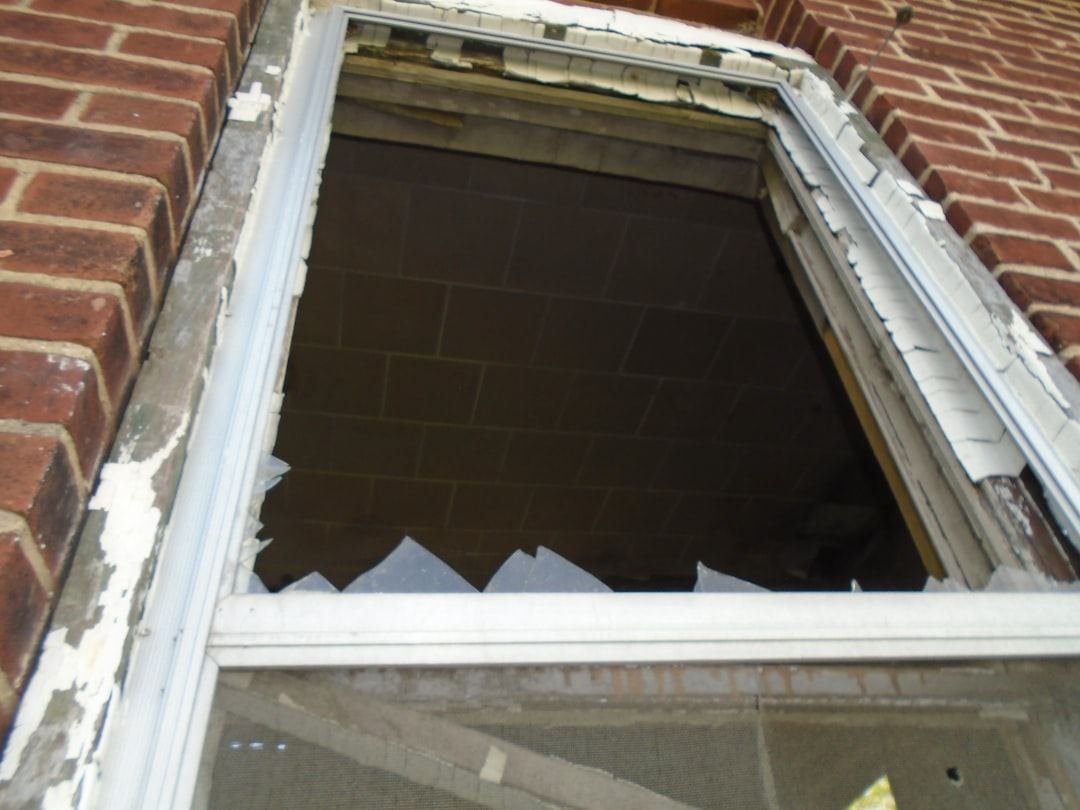
Improper window flashing rarely shows symptoms at the window itself first — the earliest signs typically appear on interior walls below or beside the window opening, as staining or soft drywall, because flashing failures let water travel down inside the wall cavity before it becomes visible anywhere near the window frame.
See window replacement and repair options if you suspect a flashing issue.
Why This Is Different From a Simple Caulking Fix
A homeowner’s first instinct is often to caulk any visible gap around a window from the outside, and sometimes that does help. But if the underlying flashing layers are installed out of sequence, caulking the surface doesn’t fix the fundamental problem — water can still get behind the surface caulk and travel down the same incorrect path the flashing created. If staining recurs after a caulking attempt, that’s a strong signal the issue is in the flashing itself, not just surface sealant.
What a Proper Fix Involves
Correcting flashing issues typically requires removing the window trim, and sometimes the window itself, to access and correct the flashing layers underneath — this is a more involved repair than it might initially seem from the visible symptoms, which is part of why an accurate diagnosis before starting work matters.
The Signs, and What Each One Suggests
- Interior staining or bubbling paint below a window, especially after specific rain events rather than general humidity — the most common and earliest sign.
- A musty smell concentrated near one window, not the whole room.
- Visible gaps or missing sealant at the top corners of the window’s exterior trim — head flashing is the most commonly rushed or skipped component.
- Soft or spongy exterior trim/siding directly below a window — water has been draining down and pooling at that point for some time.
- Efflorescence (white, chalky mineral deposits) on interior or exterior surfaces near the window, indicating repeated water movement through masonry or concrete if present.
Warning: Water stains that appear only after specific storms, particularly ones with strong wind from a particular direction, point toward a flashing or sealant gap rather than a general humidity or condensation issue. This storm-direction correlation is a genuinely useful diagnostic detail — mention it specifically when describing the problem to whoever inspects it, since it narrows down which side of the window opening likely has the failure.
Getting a Second Opinion on Flashing Diagnosis
Because proper diagnosis often requires opening up trim to inspect the actual flashing layers, it’s reasonable to get input from more than one contractor before committing to a repair scope, particularly if the first assessment recommends a larger repair than the visible symptoms seem to suggest. A second set of eyes, especially from someone who didn’t do the original installation, can confirm whether the full scope is actually necessary.
What Flashing Actually Does and Why It’s Easy to Get Wrong
Window flashing is a layered system installed around an opening, sequenced (sill pan first, side flashing overlapping it, head flashing overlapping the sides) so water that gets past the window drains outward, not into the wall. This “shingle-style” layering is easy to get backward during a rushed install, and an incorrectly layered system can look complete on inspection while still directing water the wrong way.
DIY vs. Professional Contractor
| Situation | DIY Feasible | Call a Contractor |
|---|---|---|
| Surface caulking as a first check | Yes, but treat as diagnostic, not a guaranteed fix | Optional |
| Recurring staining after caulking | No | Yes |
| Any suspected flashing sequence issue | No | Yes |
Common Questions
What are the earliest signs of improper window flashing?
Interior staining or bubbling paint below the window, specifically after storms with wind from one direction rather than general humidity — that storm-correlated pattern points to a flashing gap, not a ventilation issue.
Get your free window quote
Matched with an independent, licensed local contractor
No cost, no obligation to move forward
Most quote requests get a response within 1-2 business days
By submitting this form you consent to be contacted by phone, text, or email regarding your project, including by automated means. Consent is not a condition of purchase. Message and data rates may apply. See our Privacy Policy and Terms of Use.
Wilson Exteriors Pro is an independent local information and referral service. We are not a licensed contractor and do not perform siding or window installation ourselves. Project requests submitted through this site may be shared with an independent, licensed local contractor for a free estimate.