How to Identify Hail Damage on Vinyl Siding
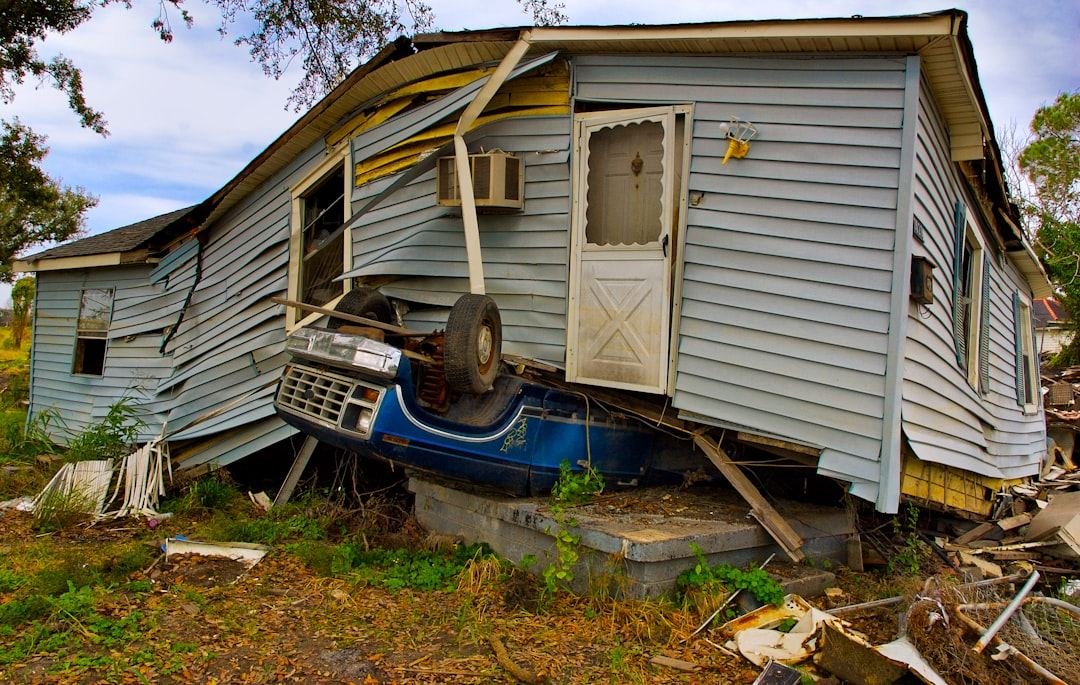
Hail damage on vinyl siding shows up as small, rounded divots or cracks concentrated on the upper portions of walls and especially on the side of the house facing the storm’s direction of travel — this pattern, damage concentrated by direction and height rather than scattered randomly across all walls evenly, is one of the clearest ways to distinguish hail impact from general wear or aging.
See siding repair options if you’re dealing with storm damage.
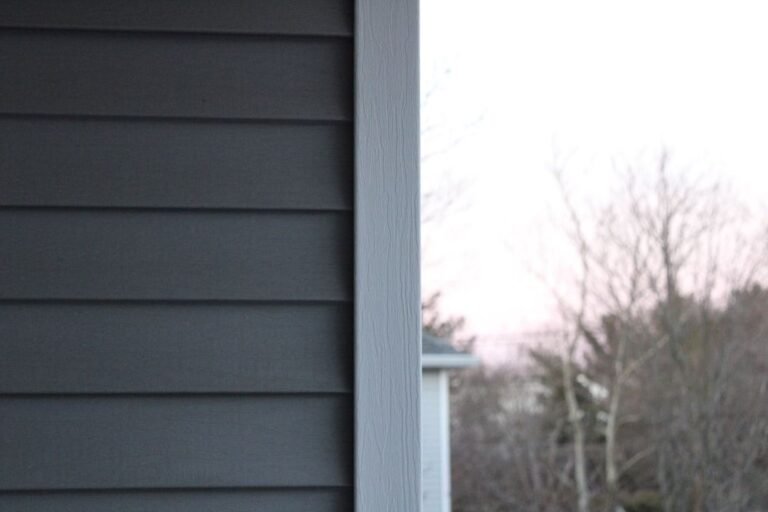
Photo by John Middelkoop on Unsplash
What Hail Damage Actually Looks Like on Vinyl
| Damage Type | Appearance | Distinguishing Feature |
|---|---|---|
| Fresh hail impact | Small round divots, sometimes with a slight crack radiating out | Concentrated on storm-facing, upper wall areas |
| Hail-cracked panel | Crack pattern radiating from a central impact point | Point of impact clearly visible at crack’s origin |
| General age-related cracking | Cracks along seams, corners, or nailing points | Not tied to a specific storm event or directional pattern |
| UV brittleness | Fine surface crazing, chalky texture | Uniform across sun-exposed walls, not storm-specific |
Why the Damage Pattern Matters for Diagnosis
Hail falls at an angle when driven by wind, which means it strikes the upper and storm-facing portions of a wall harder and more directly than lower sections or walls facing away from the storm. This creates a distinctive damage signature: concentrated impact marks on specific walls and heights rather than a uniform pattern across the entire house. General wear and UV brittleness, by contrast, tends to affect all sun-exposed walls somewhat evenly rather than concentrating in a hail-consistent pattern.
Filing a Claim Alongside a Roof Claim
If your roof claim is already moving forward, mention the siding damage specifically to the same adjuster rather than filing a separate claim later — since both stem from the same storm event, handling them together is usually more efficient and avoids the adjuster having to reconstruct storm-date details a second time for an unrelated-seeming follow-up claim.
Documenting for a Potential Insurance Claim
Photograph the damage pattern from multiple angles, including wide shots showing which walls and heights are affected, not just close-ups. Note the hailstorm’s date if known, and check for published weather or NWS hail records for that date to support your claim’s timeline.
Getting an Accurate Assessment
Because hail damage severity isn’t always obvious from the ground, a closer inspection — sometimes requiring a ladder or ground-level close examination of a representative sample of affected panels — gives a more reliable picture than a visual scan from a distance. This is worth doing before filing a claim, so your documentation reflects the actual extent of damage.
Why Timing Your Inspection Matters
Check your siding within a few days of any hailstorm, while the damage pattern is fresh and clearly attributable to that specific event. Waiting weeks or months makes it harder to distinguish new hail damage from any pre-existing wear, which can complicate an insurance claim if the timeline becomes unclear.
Warning: Small hail divots that don’t crack all the way through the panel can still compromise the material’s structural integrity even though they don’t look severe. Don’t dismiss minor-looking pockmarks as purely cosmetic — a professional assessment can determine whether the panel’s water-shedding function has been compromised even without a visible through-crack.
DIY vs. Professional Contractor
| Situation | DIY Feasible | Call a Contractor |
|---|---|---|
| Initial photo documentation after a storm | Yes | N/A |
| Assessing full extent of damage | Difficult from the ground alone | Recommended |
| Repair or panel replacement | No | Yes |
Common Questions
How do I spot hail damage on vinyl siding?
Small circular cracks or chips, not obvious dents like on a roof or metal siding. Check the wall at a low, raking angle in daylight, concentrating on upper sections facing the storm’s direction.
Get your free siding quote
Matched with an independent, licensed local contractor
No cost, no obligation to move forward
Most quote requests get a response within 1-2 business days
By submitting this form you consent to be contacted by phone, text, or email regarding your project, including by automated means. Consent is not a condition of purchase. Message and data rates may apply. See our Privacy Policy and Terms of Use.
Wilson Exteriors Pro is an independent local information and referral service. We are not a licensed contractor and do not perform siding or window installation ourselves. Project requests submitted through this site may be shared with an independent, licensed local contractor for a free estimate.