Termite Damage Behind Siding Warning Signs
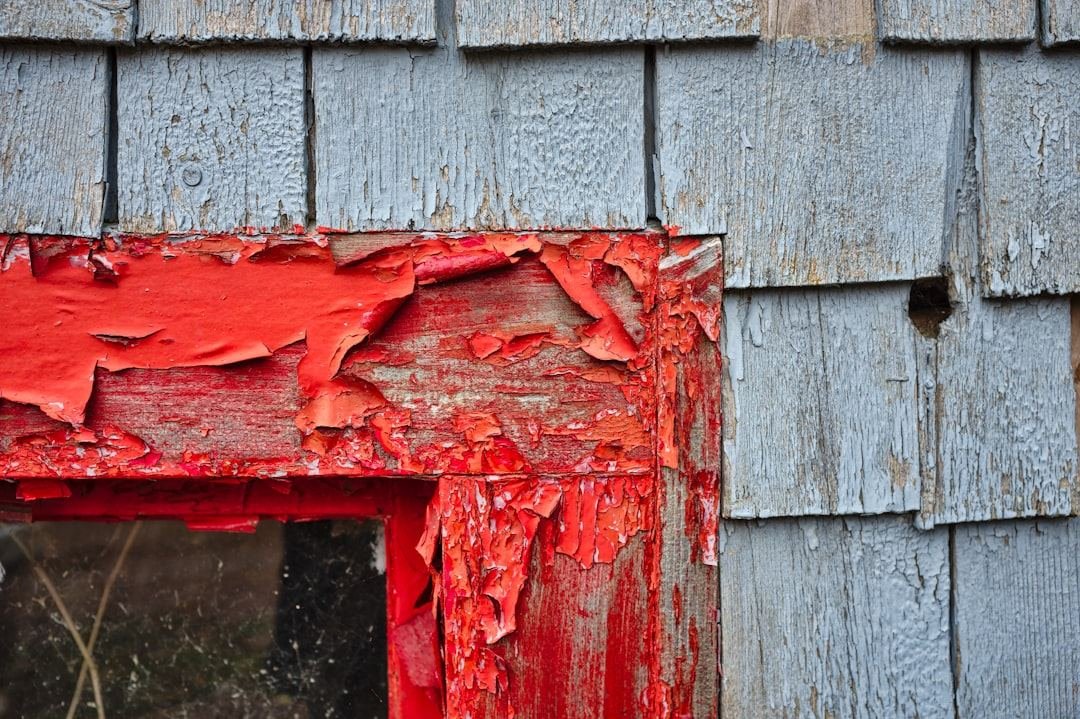
Termite damage behind siding often shows no exterior symptoms at all until the infestation has been active for a year or more — the most reliable early warning signs are mud tubes running up the foundation toward the siding line, not damage to the siding itself, which is usually the last thing to show visible signs.
See siding repair and inspection options if you suspect termite activity. NC State Extension’s entomology program publishes region-specific termite identification and prevention guidance for North Carolina homeowners.
Photo by Eric Prouzet on Unsplash
Why Annual Pest Inspections Matter More Than a One-Time Check
Termite colonies can establish and remain undetected for a full season or longer between visible signs, which is why a single clean inspection years ago doesn’t guarantee current conditions. An annual pest inspection, particularly for homes with mulch beds against the foundation or any history of moisture issues near the base of exterior walls, catches new activity closer to the mud-tube stage rather than after visible siding or structural damage has already developed.
Why Wilson’s Climate Favors Termite Activity
Subterranean termites, the dominant species causing structural damage in North Carolina, need consistent moisture and moderate temperatures to thrive, both of which Wilson’s humid subtropical climate provides for most of the year. Homes with siding installed tight to grade, or with mulch beds piled against the foundation, create exactly the moisture-retentive, direct-access conditions termites favor for building mud tubes from the soil up into wall cavities.
Realistic Cost If Caught Early vs. Late
Catching termite activity at the mud-tube stage, before any structural damage, typically means pest treatment cost only — no siding or structural repair needed. Once damage has reached siding or framing, costs scale up significantly and depend on how far the damage has spread, which usually isn’t fully known until the affected siding is removed for inspection.
What This Means for a Siding Repair
If termite damage is found during a siding repair or replacement, the repair scope changes significantly — the fix isn’t just replacing the affected siding panels, it’s addressing the termite colony itself (typically requiring pest control treatment) and inspecting and repairing any structural framing the termites reached before the siding gets replaced. Replacing siding over active termite damage without addressing the colony just delays the same problem, since the termites will continue working on whatever wood remains accessible.
The Actual Warning Signs, in Order of How Early They Appear
- Mud tubes on the foundation, roughly pencil-width, running toward the siding line — the earliest visible sign.
- A hollow sound when tapping wood trim or siding near ground level, indicating the wood has been hollowed out internally while the surface remains largely intact.
- Discarded wings near windowsills or foundation areas after a swarm event, typically in spring.
- Visible siding damage — buckling, soft spots, or crumbling at the base of a wall — which usually indicates termites have been active for an extended period already.
- Sagging or soft flooring near an exterior wall, the latest and most serious sign, indicating the damage has reached structural framing.
Warning: Termite damage is structurally different from moisture damage in one important way: wood can be extensively hollowed out by termites while the exterior surface looks completely intact. A moisture meter, which many contractors use to check for water damage, won’t reliably detect termite activity — a hollow-sound tap test or a pest inspection is needed specifically for this.
DIY vs. Professional Contractor
| Situation | DIY Feasible | Call a Contractor |
|---|---|---|
| Spotting mud tubes for early detection | Yes, worth a regular seasonal check | Recommended for treatment |
| Any siding hollow-sound or visible damage | No | Yes, pest control and siding contractor both |
| Suspected structural framing damage | No | Yes, immediately |
Common Questions
What’s the earliest visible sign of termite damage behind siding?
Mud tubes on the foundation, roughly pencil-width, running toward the siding line — this appears before any siding damage or interior symptoms show up.
Get your free siding quote
Matched with an independent, licensed local contractor
No cost, no obligation to move forward
Most quote requests get a response within 1-2 business days
By submitting this form you consent to be contacted by phone, text, or email regarding your project, including by automated means. Consent is not a condition of purchase. Message and data rates may apply. See our Privacy Policy and Terms of Use.
Wilson Exteriors Pro is an independent local information and referral service. We are not a licensed contractor and do not perform siding or window installation ourselves. Project requests submitted through this site may be shared with an independent, licensed local contractor for a free estimate.