Why Siding Seams Separate After a Few NC Summers
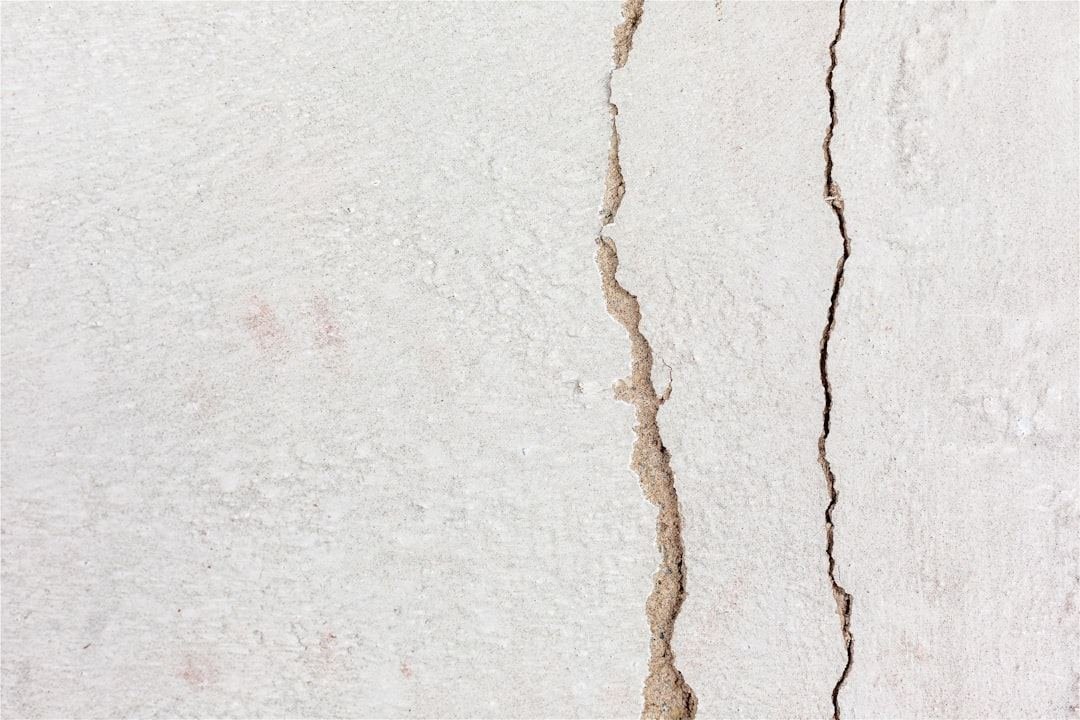
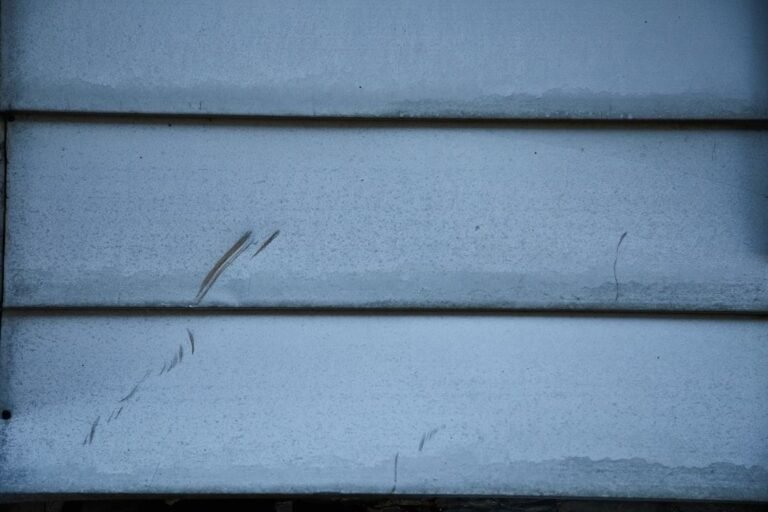
Siding seams that were tight at installation but show a visible gap after a few Wilson summers usually indicate the panels were installed without adequate room to expand — the seam gap you’re seeing now is the material’s way of accommodating heat expansion that the original installation didn’t account for, essentially the panel finding room to move that it should have had from the start.
Checking Whether Your Seams Are Behaving Normally
Photo by Natalie Kinnear on Unsplash
Note which seams show gaps during a hot stretch, then check the same seams again on a cool morning, ideally a week or more after the heat has broken. If the gaps have visibly closed, that’s consistent with normal thermal movement. If they look essentially unchanged regardless of temperature, that’s worth having assessed, since it points toward a installation or material issue rather than expected seasonal behavior.
What a Persistently Open Seam Actually Risks
Beyond appearance, a seam gap that doesn’t close creates a consistent, rather than occasional, entry point for wind-driven rain — Wilson’s frequent summer thunderstorms will test that gap far more often than a climate with less frequent rain events would. Over time, this raises the odds of moisture reaching the sheathing behind that specific section, even if the gap itself seems minor.
The Difference Between Normal Seasonal Movement and a Real Problem
Vinyl siding seams are designed to show very slight movement across seasons as a normal characteristic of the material — this isn’t itself a defect. The distinction that matters is whether a seam gap closes back up in cooler weather or stays permanently open regardless of temperature. Seasonal, temperature-dependent movement that reverses is normal. A gap that persists even in mild, cool weather indicates the panel has likely deformed or the underlying nailing issue is severe enough that it’s no longer just seasonal flex.
| Seam Behavior | What It Means |
|---|---|
| Gap widens in heat, closes in cool weather | Normal thermal movement, not a defect |
| Gap present year-round, doesn’t close in cool weather | Panel likely deformed or nailing issue is significant |
| Gap widening progressively year over year | Ongoing stress, worth addressing before it worsens |
Why This Takes a Few Years to Show Up, Not Immediately
A slightly tight installation might not show visible seam separation in its first year or two, especially if that first year or two happened to include milder summers than average. Wilson’s summer intensity varies year to year, and a particularly hot, sustained heat wave — more extreme than what the siding experienced in its first couple of years — is often what finally pushes a marginal installation past the point where the material can compensate without visible movement at the seams.
What to Do Once You’ve Confirmed a Real Problem
If your check confirms seams that stay open regardless of temperature, document which specific seams and panels are affected before calling for an assessment — this narrows down whether the issue is isolated to one section or spread across the wall, which changes the scope and cost of the eventual fix. Take photos on both a hot day and a cool day for direct comparison, since a side-by-side pair is far more convincing evidence than a description alone when discussing the issue with a contractor.
DIY vs. Professional Contractor
| Situation | DIY Feasible | Call a Contractor |
|---|---|---|
| Tracking seam behavior across temperature changes | Yes | N/A |
| Seams that close normally in cool weather | No action needed | N/A |
| Seams that stay open regardless of temperature | No | Yes |
Common Questions
Are open siding seams after a hot summer a real problem?
Depends on whether the gap closes back up in cool weather. Seasonal movement that reverses is normal. A gap that stays open year-round, regardless of temperature, indicates a deformed panel or nailing issue worth having assessed.
Get your free siding quote
Matched with an independent, licensed local contractor
No cost, no obligation to move forward
Most quote requests get a response within 1-2 business days
By submitting this form you consent to be contacted by phone, text, or email regarding your project, including by automated means. Consent is not a condition of purchase. Message and data rates may apply. See our Privacy Policy and Terms of Use.
Wilson Exteriors Pro is an independent local information and referral service. We are not a licensed contractor and do not perform siding or window installation ourselves. Project requests submitted through this site may be shared with an independent, licensed local contractor for a free estimate.