How Wind-Driven Rain Gets Behind Improperly Flashed Siding
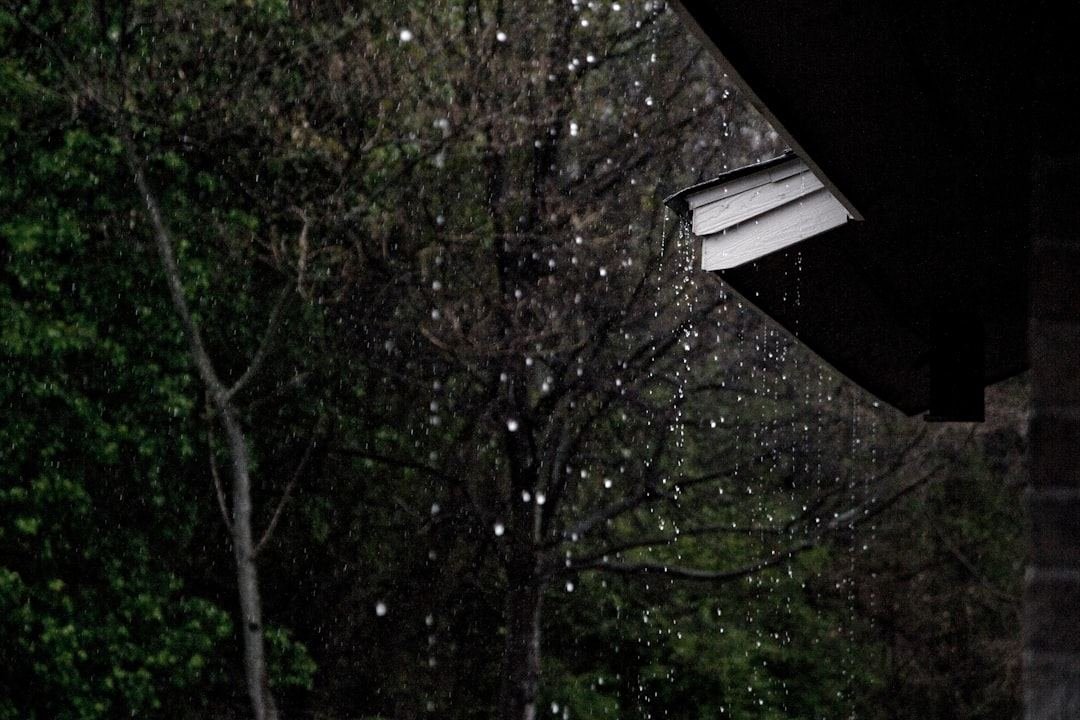
Wind-driven rain gets behind siding almost exclusively at transition points — window and door openings, corners, and where siding meets a roofline — not through the flat field of the siding itself. Flashing exists specifically to manage water at these transitions, and a gap or reversed lap at any one of them is enough to let a summer thunderstorm push water directly into the wall cavity.
See full siding repair and inspection services if you suspect a flashing-related leak.
Photo by A A on Unsplash
What to Do If You Suspect This
Document which specific storms caused visible symptoms, including approximate wind direction if you know it, before calling for an inspection. This detail narrows down where to look first, which can meaningfully shorten the diagnostic time compared to a general “there’s a leak somewhere” description.
The Transition Points That Matter Most
| Location | Why It’s Vulnerable |
|---|---|
| Above window and door openings | Water running down the wall concentrates here if head flashing is missing or reversed |
| Where siding meets roofline (kickout flashing) | Directs roof runoff away from the wall below; often installed incorrectly or omitted |
| Outside corners | Two siding planes meet; requires overlapping corner posts installed in the correct water-shedding order |
| Where siding meets a deck or porch roof | Frequently rushed during remodels, a common source of hidden leaks |
Why Wind Direction Changes Everything
Rain falling straight down rarely causes intrusion problems even at imperfect flashing details, because gravity keeps it moving downward and outward, the direction siding and flashing are both designed to shed water. Wind-driven rain is different: gusts push water sideways and even slightly upward against a wall, forcing it into gaps that would never see water under calm conditions. Wilson’s summer thunderstorms regularly produce this kind of directional, gusty rain, which is exactly why a flashing gap that’s never caused a problem in ten years of typical rain can suddenly leak during one specific storm with wind from an unusual direction.
A Practical Seasonal Check Worth Doing
Twice a year, walk your home’s perimeter after a significant rain and check the base of window/door trim, corners, and roofline transitions for lingering dampness after the rest of the wall has dried. Spots drying slower than the surrounding wall is a useful early clue water is collecting there, often before any interior symptom appears.
Why “It Hasn’t Leaked Yet” Isn’t Reassuring
An improperly flashed detail can go years without visibly leaking simply because the specific wind-and-rain combination needed to expose the gap hasn’t occurred yet. This is different from a flashing detail that’s actually sound — the absence of a leak so far doesn’t confirm good installation, it just means the wall hasn’t been tested by the right storm conditions. This matters most around any recent remodel or addition, where new siding meets old, since that seam is a common place for flashing details to be rushed or skipped.
Warning: If a leak only appears during storms with strong wind from one particular direction, that directional pattern is a genuinely useful clue. It usually points to a specific flashing detail on that side of the house, rather than a general moisture or ventilation issue, which tends to show symptoms regardless of wind direction.
DIY vs. Professional Contractor
| Situation | DIY Feasible | Call a Contractor |
|---|---|---|
| Noting which storms cause symptoms | Yes | N/A |
| Visual check of corner and window flashing | Yes, from a safe height | Recommended for confirmation |
| Correcting a flashing detail | No | Yes |
Common Questions
Why does siding only leak during storms with wind from one direction?
That directional pattern usually points to a specific flashing detail on that side of the house — wind-driven rain forces water into gaps that never see water under calm, straight-down rain.
Get your free siding quote
Matched with an independent, licensed local contractor
No cost, no obligation to move forward
Most quote requests get a response within 1-2 business days
By submitting this form you consent to be contacted by phone, text, or email regarding your project, including by automated means. Consent is not a condition of purchase. Message and data rates may apply. See our Privacy Policy and Terms of Use.
Wilson Exteriors Pro is an independent local information and referral service. We are not a licensed contractor and do not perform siding or window installation ourselves. Project requests submitted through this site may be shared with an independent, licensed local contractor for a free estimate.