Mold Growth Behind Siding: Causes and Fixes
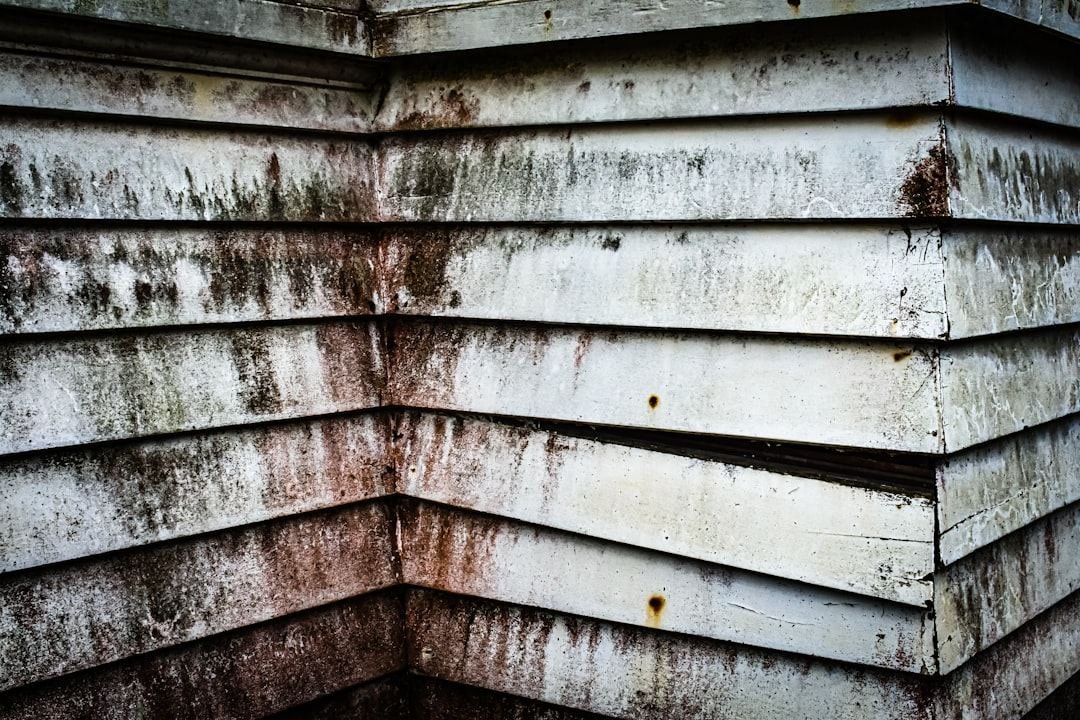
Mold behind siding needs three things to establish: a moisture source, an organic material to grow on (wood sheathing or framing), and time without drying out — Wilson’s humidity provides the sustained dampness that’s usually the missing ingredient in drier climates, which is why mold behind siding develops here faster and more often than it would with the same leak in a low-humidity region.
See siding repair options if you’re dealing with a moisture or mold issue. The EPA’s mold and moisture guidance is a useful independent reference on remediation basics, separate from any specific product or contractor’s claims.
Photo by Sebastian Schuster on Unsplash
Why DIY Mold Testing Kits Often Give a False Sense of Security
Over-the-counter mold test kits confirm spores are present in the air, which they almost always are at some background level, but don’t tell you whether there’s active hidden growth behind a wall. A negative home test result shouldn’t be treated as clearing a suspected leak-related issue — if you have physical warning signs, a physical inspection is more informative than an air sample.
Why This Isn’t Just a “Big Leak” Problem
A common misconception is that mold only follows an obvious, significant water intrusion event. In practice, a small, chronic leak — a slightly gapped seam, a missing weep hole, a minor flashing error — that lets in a small amount of moisture repeatedly, without ever fully drying between events, is a more common mold cause than one dramatic leak. Wilson’s frequent summer thunderstorm pattern means these small, repeated moisture events happen often, and the humidity between storms slows how quickly any dampness that does get in actually dries out.
Where Mold Actually Grows First
Mold typically establishes on the back side of sheathing or on framing members, not on the siding material itself — vinyl and fiber cement don’t provide the organic food source mold needs, though they can trap moisture against the wood that does. This is why mold behind siding is frequently invisible from either the exterior or interior until it’s advanced enough to affect drywall or produce a detectable smell, since the earliest growth is happening inside the wall cavity where nobody’s looking.
| Sign | What’s Likely Happening |
|---|---|
| Musty smell with no visible cause | Mold established inside a wall cavity |
| Interior wall discoloration or bubbling paint | Moisture and likely mold have reached the interior surface |
| Visible mold on interior drywall | Advanced — has likely spread beyond just the wall cavity |
| Respiratory irritation concentrated in one room | Worth investigating that room’s exterior walls specifically |
Warning: Mold remediation without first fixing the moisture source that caused it is not a permanent fix — it’s a temporary one. Cleaning visible mold while leaving the underlying leak unaddressed means the same growth returns, often within months, because the conditions that created it in the first place are unchanged.
The Health Angle Worth Taking Seriously
While most household mold exposure is a nuisance rather than an emergency, certain species and prolonged exposure can affect respiratory health, particularly for household members with asthma or allergies — worth weighing in how quickly you prioritize addressing it.
What Proper Remediation Actually Involves
A complete fix addresses the moisture source first, then removes affected material, and only then treats any remaining mold. Skipping the first step and jumping straight to cleaning is the most common reason mold remediation fails to actually solve the problem long-term.
DIY vs. Professional Contractor
| Situation | DIY Feasible | Call a Contractor |
|---|---|---|
| Identifying and photographing symptoms | Yes | N/A |
| Fixing the underlying moisture source | Depends on cause | Recommended for most cases |
| Any mold remediation beyond a small surface area | No | Yes, a mold remediation specialist |
Common Questions
What actually causes mold to grow behind siding?
A small, chronic leak that never fully dries between rain events — not usually one dramatic water event. Wilson’s frequent summer thunderstorms plus ambient humidity that slows drying make this more common here than in drier climates.
Get your free siding quote
Matched with an independent, licensed local contractor
No cost, no obligation to move forward
Most quote requests get a response within 1-2 business days
By submitting this form you consent to be contacted by phone, text, or email regarding your project, including by automated means. Consent is not a condition of purchase. Message and data rates may apply. See our Privacy Policy and Terms of Use.
Wilson Exteriors Pro is an independent local information and referral service. We are not a licensed contractor and do not perform siding or window installation ourselves. Project requests submitted through this site may be shared with an independent, licensed local contractor for a free estimate.