Aluminum vs Vinyl vs Fiber Cement Siding Lifespan Comparison
Aluminum, vinyl, and fiber cement all offer meaningfully different lifespans in Wilson, NC’s climate, but the honest comparison isn’t just years on a spec sheet — it’s how each material’s specific failure mode interacts with humidity, sun exposure, and maintenance habits, since the “lifespan” number assumes conditions that don’t always match a real house.
See the full material and cost comparison for pricing alongside these lifespan figures.
Aluminum, vinyl, and fiber cement all offer meaningfully different lifespans in Wilson, NC’s climate, but the honest comparison isn’t just years on a spec sheet — it’s how each material’s specific failure mode interacts with humidity, sun exposure, and maintenance habits, since the “lifespan” number assumes conditions that don’t always match a real house.
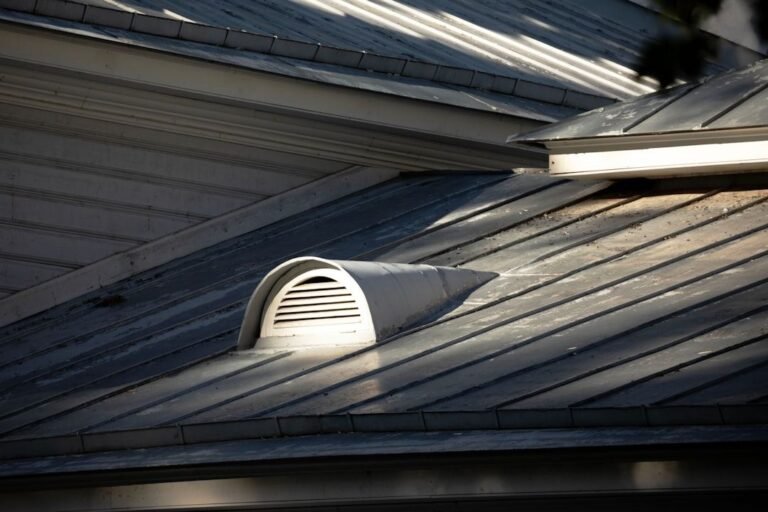
Photo by Andy Vult on Unsplash
The Numbers, and What They Actually Depend On
| Material | Typical Lifespan | Primary Failure Mode |
|---|---|---|
| Vinyl | 20-30 years | UV brittleness, improper-nailing buckling |
| Aluminum | 25-35 years | Denting, chalking, seam caulk failure |
| Fiber Cement | 30-50 years | Moisture at unsealed edges, paint failure |
A Factor the Lifespan Numbers Don’t Capture: Resale Perception
Beyond raw durability, siding material affects how a home is perceived by buyers at resale, somewhat independent of the material’s remaining functional lifespan. Fiber cement is often perceived as a higher-end upgrade in real estate listings, which can support asking price even if a well-maintained vinyl installation would have performed nearly as well functionally. This is worth factoring in if you’re choosing a material partly with resale value in mind, separate from the pure maintenance-versus-durability tradeoff.
Vinyl’s Real Weak Point
Vinyl doesn’t rot or corrode, but sustained UV exposure gradually makes it more brittle over 15-20+ years, which is why sun-exposed walls show cracking and fading before shaded ones on the same house. Properly installed, this is a slow, predictable process. Improperly installed (nailed too tight, no expansion clearance), vinyl can fail structurally within a few years regardless of the material’s theoretical lifespan — installation quality matters more for vinyl’s real-world lifespan than for either other material.
Fiber Cement’s Real Weak Point
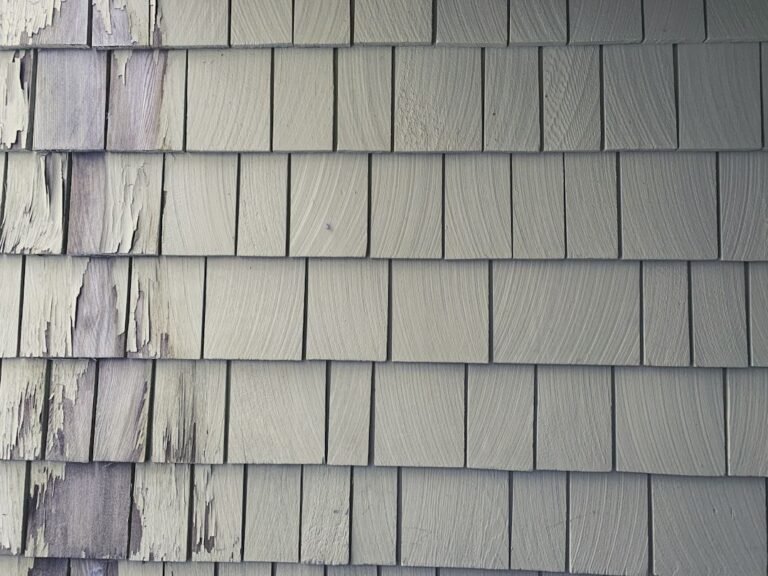
Fiber cement’s headline lifespan assumes ongoing maintenance, specifically repainting every 10-15 years and properly sealed cut edges at installation. Skip either of those, and fiber cement in Wilson’s humidity can develop moisture-related delamination well before its theoretical 30-50 year ceiling — making it the material with the widest gap between best-case and worst-case real-world lifespan depending purely on maintenance follow-through.
Warning: A “lifespan” figure on a manufacturer spec sheet assumes proper installation and, for fiber cement specifically, ongoing maintenance. None of these materials reliably hit their upper lifespan range without both of those conditions being met — treat published lifespan numbers as a ceiling, not a guarantee.
Aluminum’s Real Weak Point
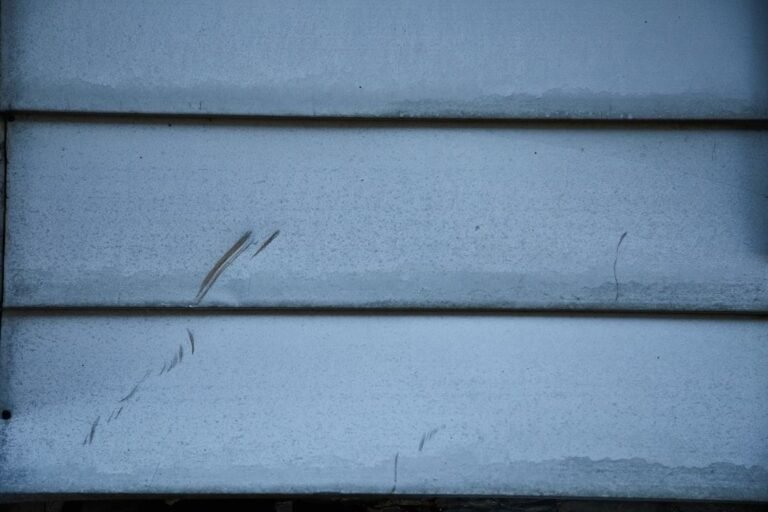
Aluminum siding resists moisture and pests well, genuinely earning its long lifespan range in a humid climate. Its main vulnerability is physical: dents from hail or impact don’t self-correct the way vinyl can sometimes flex back, and dented aluminum is difficult to repair invisibly — usually requiring panel replacement rather than a repair that blends in. Seam caulking between panels also degrades faster in Wilson’s UV and humidity combination than the metal itself does, and unmaintained seams are where most aluminum siding problems actually originate.
Which Actually Makes Sense for Your House
If you want the lowest-maintenance option and don’t mind a shorter (though still multi-decade) lifespan, vinyl is the practical default. If you want the longest possible lifespan and will commit to the repaint cycle, fiber cement delivers on that promise. Aluminum sits in between, worth considering specifically if your property has minimal risk of hail or impact damage.
DIY vs. Professional Contractor
| Situation | DIY Feasible | Call a Contractor |
|---|---|---|
| Comparing materials for a new project | Yes | N/A |
| Assessing current siding’s remaining lifespan | Difficult without experience | Recommended |
| Installation of any material | No | Yes |
Common Questions
Which siding material actually lasts longest in Wilson’s climate?
Fiber cement has the highest ceiling (30-50 years) but only with maintained painting and sealed cut edges. Vinyl (20-30 years) requires the least maintenance. Aluminum (25-35 years) resists moisture well but shows dents permanently.
Get your free siding quote
Matched with an independent, licensed local contractor
No cost, no obligation to move forward
Most quote requests get a response within 1-2 business days
By submitting this form you consent to be contacted by phone, text, or email regarding your project, including by automated means. Consent is not a condition of purchase. Message and data rates may apply. See our Privacy Policy and Terms of Use.
Wilson Exteriors Pro is an independent local information and referral service. We are not a licensed contractor and do not perform siding or window installation ourselves. Project requests submitted through this site may be shared with an independent, licensed local contractor for a free estimate.