How Tree Coverage Affects Siding Algae and Mildew Growth
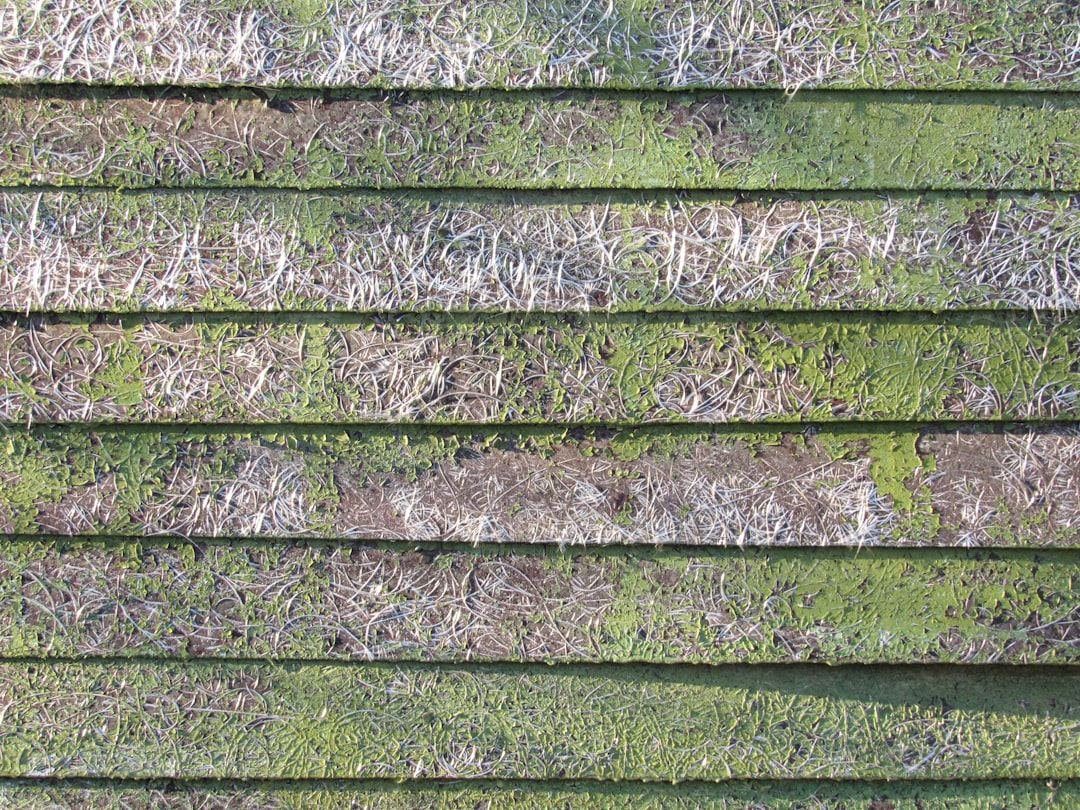
Homes with significant tree coverage in Wilson, NC typically see more algae and mildew growth on siding than homes in full sun, because shade slows how quickly siding dries after rain and morning dew, and both algae and mildew need sustained moisture to establish and spread — the same humidity that drives many other siding issues in this climate is amplified specifically on shaded walls where evaporation happens more slowly.
- Green vs. Black Growth: Different Causes, Different Approaches
- Why Shade Specifically Creates This Problem
- Addressing the Underlying Cause, Not Just the Symptom
- Cleaning Approaches That Actually Work Long-Term
- When Algae Growth Signals a Bigger Issue
- Preventive Products Worth Knowing About
- DIY vs. Professional Contractor
Green vs. Black Growth: Different Causes, Different Approaches
Photo by Karyna Panchenko on Unsplash
| Growth Type | Typical Appearance | Common Cause |
|---|---|---|
| Green algae | Green or greenish film, often streaky | Sustained moisture with some light exposure |
| Black mildew/mold | Dark spots or patches, often in less-sunlit areas | Deep shade combined with moisture, less air circulation |
| Both together | Mixed green and dark patches | Heavily shaded, consistently damp wall |
Why Shade Specifically Creates This Problem
Direct sun exposure dries siding relatively quickly after it gets wet, which limits the window of sustained dampness that algae and mildew need to take hold. Shaded walls, particularly north-facing walls under mature tree canopy, can stay damp for much longer after the same rain event, sometimes not fully drying between one rain and the next during Wilson’s wetter seasons. This extended dampness is the actual mechanism, not something inherent to being near trees themselves.
Addressing the Underlying Cause, Not Just the Symptom
Selectively trimming branches to increase sun exposure and airflow on the most affected wall sections, where it’s practical and doesn’t compromise the tree’s health or your landscaping goals, can meaningfully reduce how quickly growth returns compared to cleaning alone. This isn’t always feasible or desirable, but it’s worth discussing with an arborist if a specific wall is a recurring problem area.
Cleaning Approaches That Actually Work Long-Term
A simple mix of water and mild detergent, or a diluted bleach solution applied with a soft brush and rinsed thoroughly, removes most algae and mildew growth effectively without damaging vinyl siding. Pressure washing can work but risks forcing water behind seams and panels if used at too high a pressure or too close a distance — a soft wash approach (lower pressure, more reliance on the cleaning solution doing the work) is generally the safer method for siding specifically, as opposed to harder surfaces like concrete.
Warning: Cleaning removes existing growth but doesn’t change the underlying moisture conditions that caused it — on a heavily shaded wall, algae and mildew will likely return within a similar timeframe unless something about the shade or moisture exposure actually changes. Treat cleaning as ongoing maintenance for these specific walls, not a one-time fix.
When Algae Growth Signals a Bigger Issue
If algae growth is unusually heavy and persistent despite reasonable pruning and cleaning, it’s worth checking whether gutters or downspouts near that wall are functioning properly — a clogged or misdirected gutter can add sustained extra moisture to a wall section beyond what shade and rainfall alone would cause, compounding the algae-favorable conditions in a way that pruning alone won’t fully resolve.
Preventive Products Worth Knowing About
Some siding cleaning products include an algae-resistant treatment that provides a few months of resistance to regrowth after cleaning — worth considering for consistently affected walls where regular cleaning is otherwise required multiple times a year.
DIY vs. Professional Contractor
| Situation | DIY Feasible | Call a Contractor |
|---|---|---|
| Cleaning algae/mildew with mild solution and soft brush | Yes | Optional for larger areas |
| Deciding on tree trimming for sun exposure | Consult an arborist | N/A |
| Any staining that doesn’t clean off, suggesting deeper damage | No | Yes |
Common Questions
Why does siding under trees grow algae faster?
Shade keeps the surface damp longer after rain, and tree coverage deposits more organic debris — both conditions algae needs. The same UV exposure that ages vinyl also happens to suppress algae, and shaded walls lose that benefit.
Get your free siding quote
Matched with an independent, licensed local contractor
No cost, no obligation to move forward
Most quote requests get a response within 1-2 business days
By submitting this form you consent to be contacted by phone, text, or email regarding your project, including by automated means. Consent is not a condition of purchase. Message and data rates may apply. See our Privacy Policy and Terms of Use.
Wilson Exteriors Pro is an independent local information and referral service. We are not a licensed contractor and do not perform siding or window installation ourselves. Project requests submitted through this site may be shared with an independent, licensed local contractor for a free estimate.