
Signs of Improper Siding Overlap and Water Intrusion
Every siding course should overlap the one below it by a manufacturer-specified minimum, typically around 1 inch, with each higher course lapping over the top of the one beneath — reversed or…
Every siding course should overlap the one below it by a manufacturer-specified minimum, typically around 1 inch, with each higher course lapping over the top of the one beneath — reversed or…
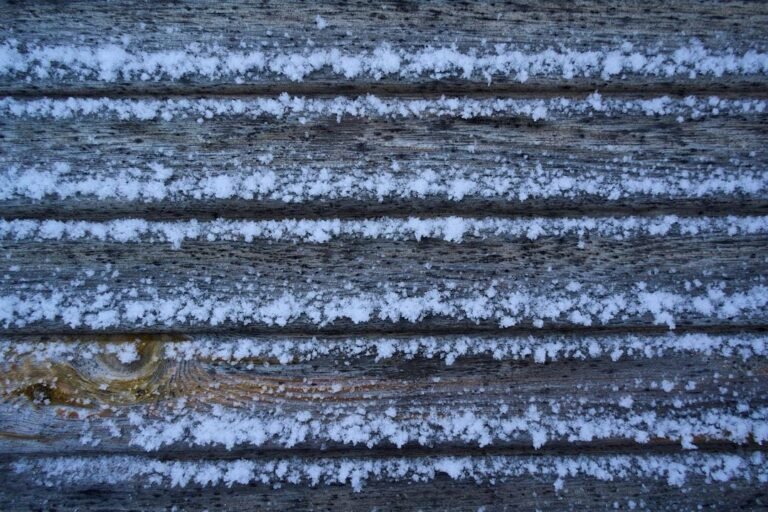
Wilson typically sees 15-20 freeze-thaw cycles each winter, and while any single cycle is a minor event for siding, the cumulative effect over 15-20+ years is where the real wear shows up….
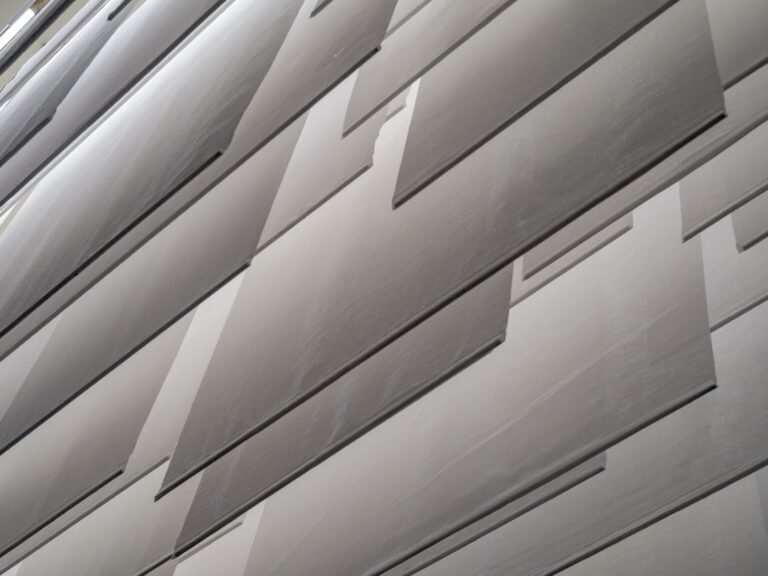
Siding panels popping loose from the wall — rather than just buckling in place — almost always traces back to insufficient nail spacing or nails placed too close to a panel edge,…
Look at where siding meets a corner post, window trim, or door trim. A properly installed panel leaves a small visible gap — roughly 1/4 inch, sometimes hidden slightly behind the trim’s…
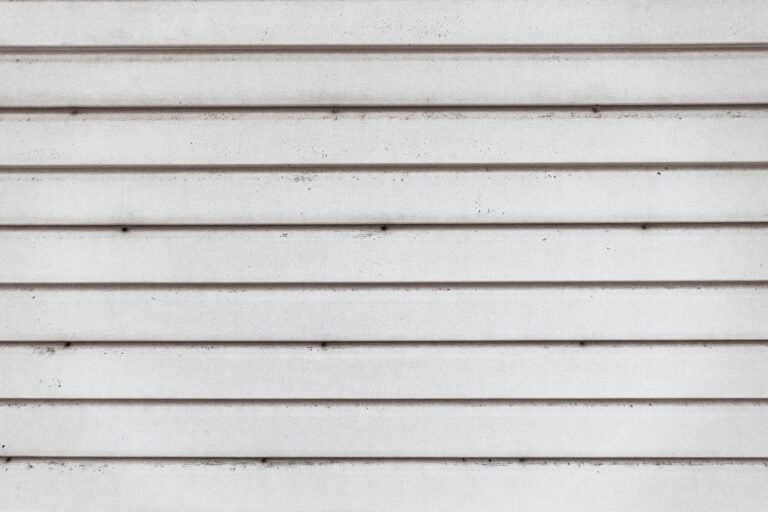
Aluminum, vinyl, and fiber cement all offer meaningfully different lifespans in Wilson, NC’s climate, but the honest comparison isn’t just years on a spec sheet — it’s how each material’s specific failure…
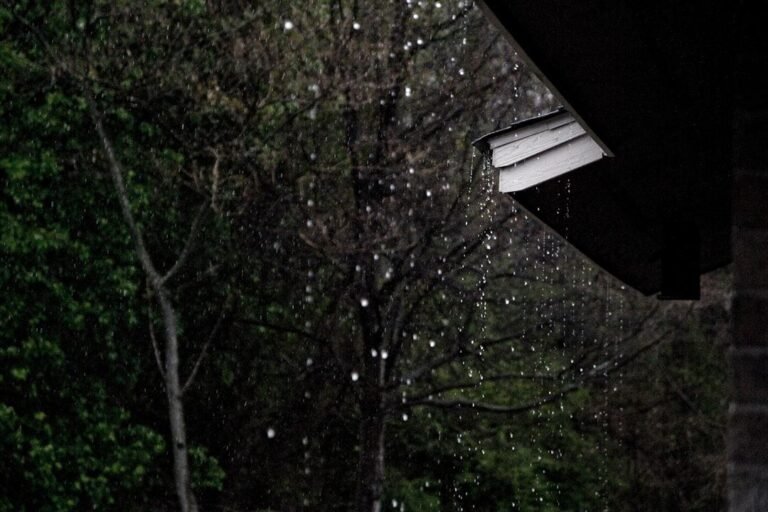
Wind-driven rain gets behind siding almost exclusively at transition points — window and door openings, corners, and where siding meets a roofline — not through the flat field of the siding itself….
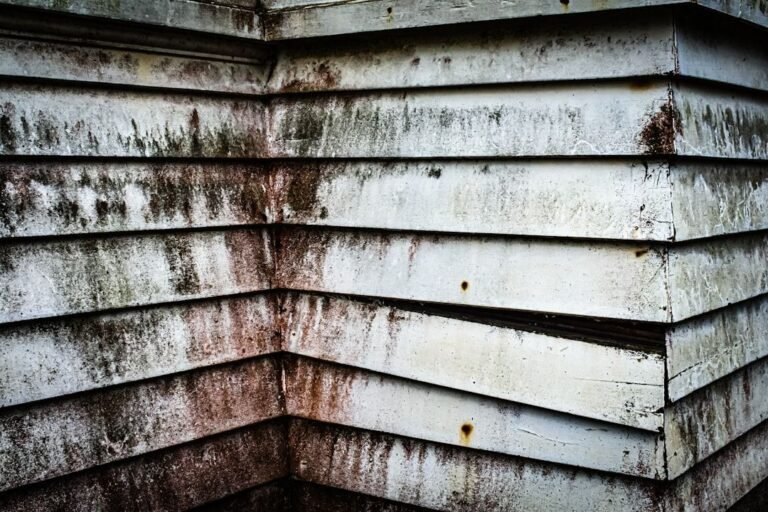
Mold behind siding needs three things to establish: a moisture source, an organic material to grow on (wood sheathing or framing), and time without drying out — Wilson’s humidity provides the sustained…
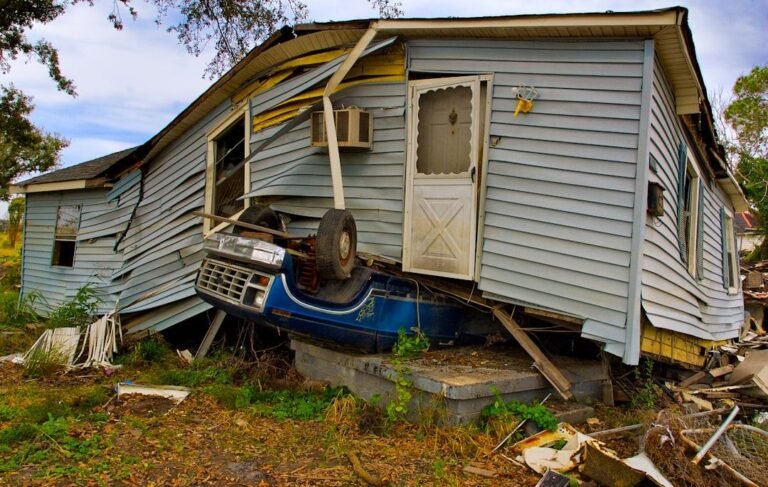
North Carolina homeowners insurance typically covers siding damage caused by wind, hail, or falling debris from a storm, but coverage depends heavily on how clearly the damage can be tied to a…
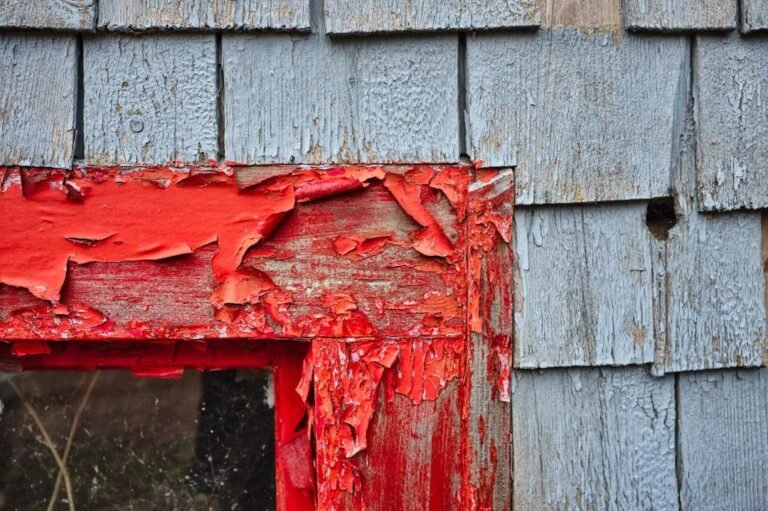
Termite damage behind siding often shows no exterior symptoms at all until the infestation has been active for a year or more — the most reliable early warning signs are mud tubes…
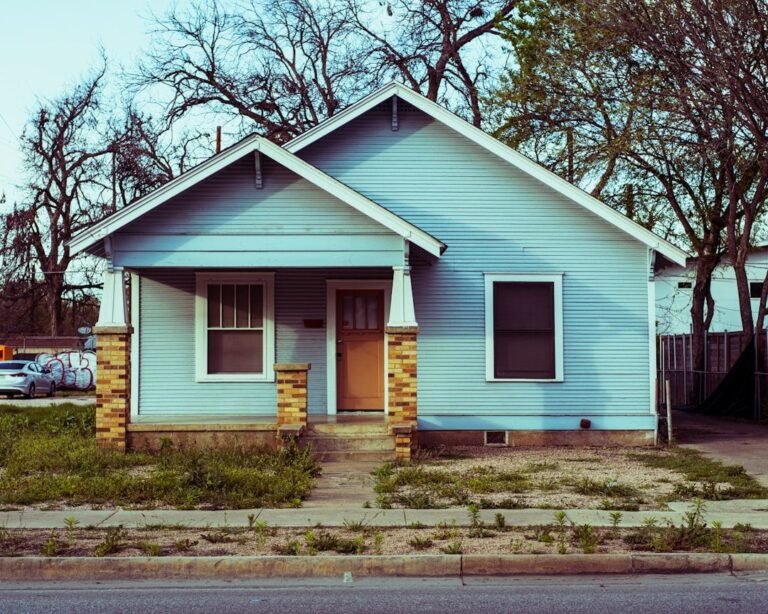
Most Wilson, NC HOAs approve neutral, earth-tone siding colors (grays, tans, muted blues and greens) without issue, while bright or highly saturated colors typically require additional review or get rejected outright —…